Shark Bay, Western Australia

Tuesday, 4 June 2013

Kalbarri

So, I skipped running this morning, because last night I stayed up late watching this season's last three Grey's Anatomy shows. The shows didn't end until 1 a.m.. By the way, whose idea was it to end the season finale at 1 a.m.? I will never understand Australian TV programming. Why change the days shows are shown? And, why not show the shows every week in a specific timeframe? Grey's Anatomy is not the only show this weirdness happens to. Oh well…I think it is time to swear off TV.

Hector and I got up and tried to find a good breakfast sandwich. We settled for Angie's Cafe in the main part of Kalbarri, which was good. Then, it was time to leave. We wanted to visit the Kalbarri National Park, but found out yesterday the main part of the park is closed due to road resurfacing. Oh no! So, we decided to go to the less popular part of the park, which was not under any maintenance.

On the way and several kilometers from town, we were flagged down by a man with no shoes and no shirt. He was waving a plastic road marker and looked desperate. I told Hector to keep driving. We heard about but had not seen the movie Wolfe Creek, where an Australian man abducts three tourists and tortures them. I had no intention of being Wolfe Creeked by a crazy dude without shoes.

Hector cautiously slowed the car. As we approached the man we noticed his white sedan was partially buried on the sandy shoulder of the road. Hectie rolled down the window while hovering his foot over the accelerator (just in case anything nutty was about to go down), and asked “What is the matter?” The guy said he was picking flowers for his mum and got his car stuck in the sand. Huh, what flowers? “Where is your mom?” Hectie asked.

The panicked guy seemed to be ready to cry. I don't know if picking flowers for mum is code for something else, but whatever. As Hector spoke to the guy, I grabbed my Gerber knife and slid it into my bra…you know, just in case…

In deciding we would help this guy, another car approached with two guys and a girl. They had no choice but to stop, because the Amarok and the man with the plastic sign blocked the road. So, the end to this story is that Hector, the guys from the other car, and I pushed the man's vehicle out. Mr. Panicky jumped for joy and shook everyone's hand. He was now able to deliver those flowers to mum. We never saw any flowers growing along road, but maybe it is better not to ask anymore questions. We quickly sanitized our hands and drove off.

Kalbarri National Park

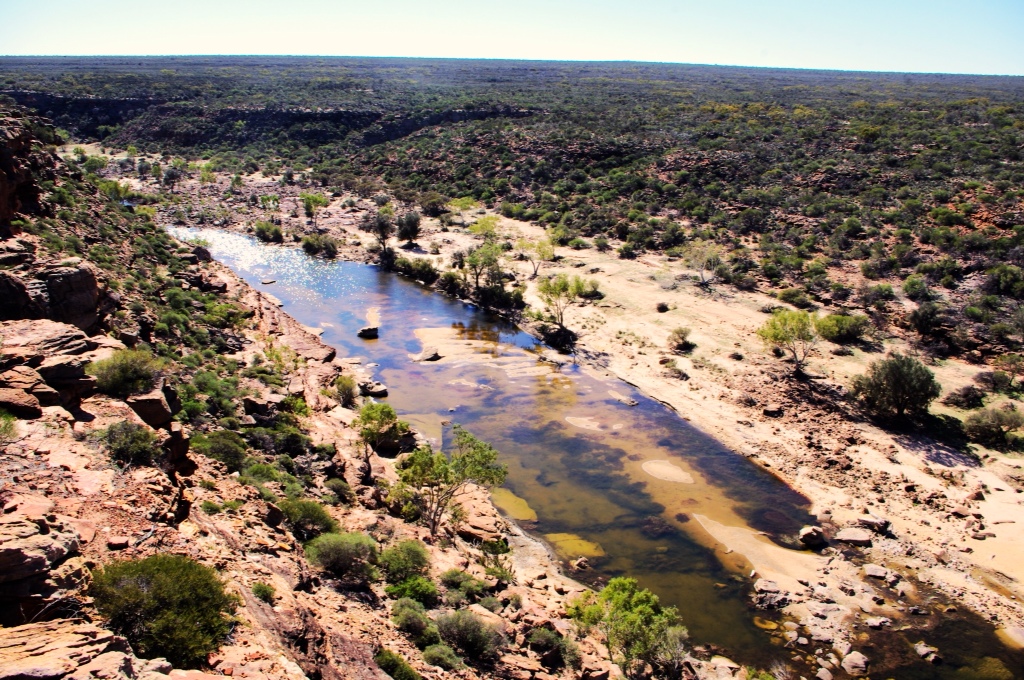
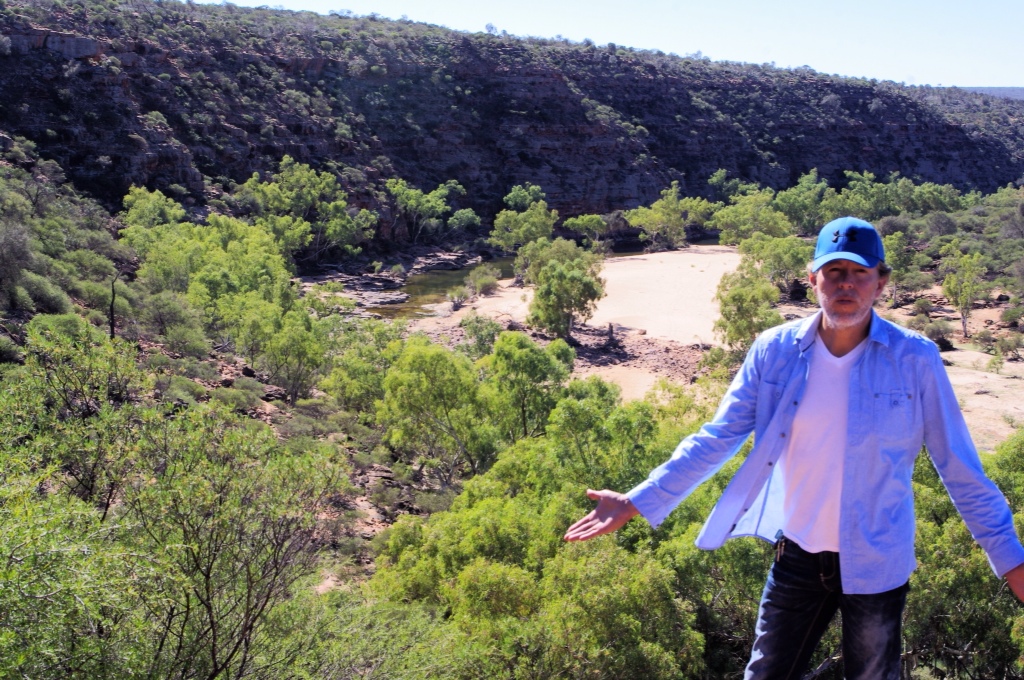
Our first stop in Kalbarri National Park was Hawk's Head where we had a beautiful view of the river below.
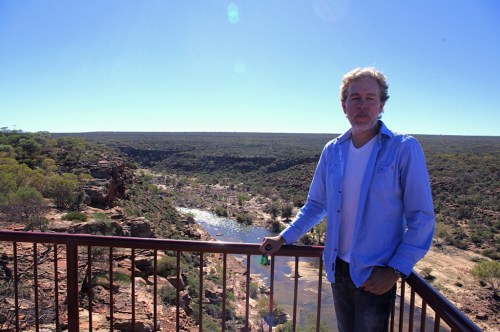
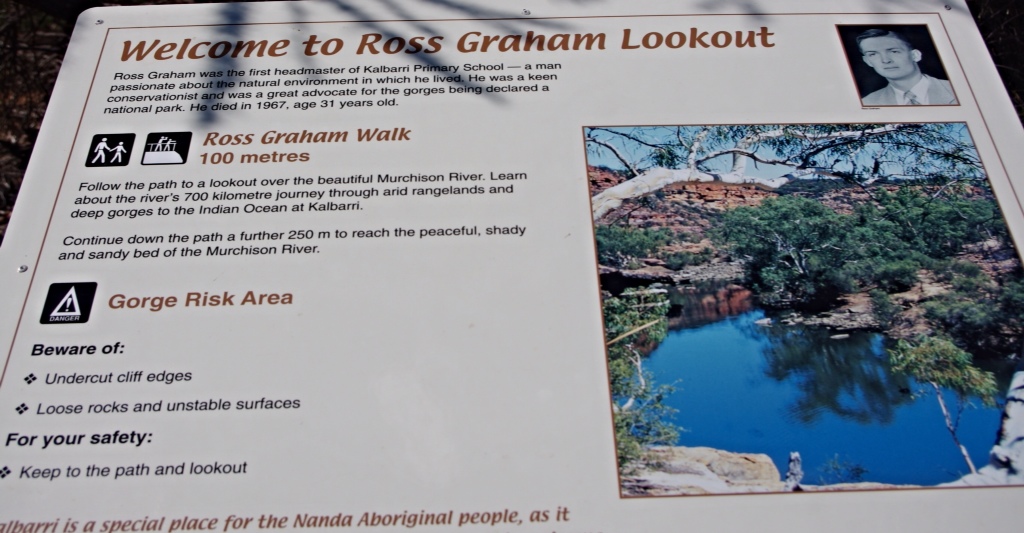
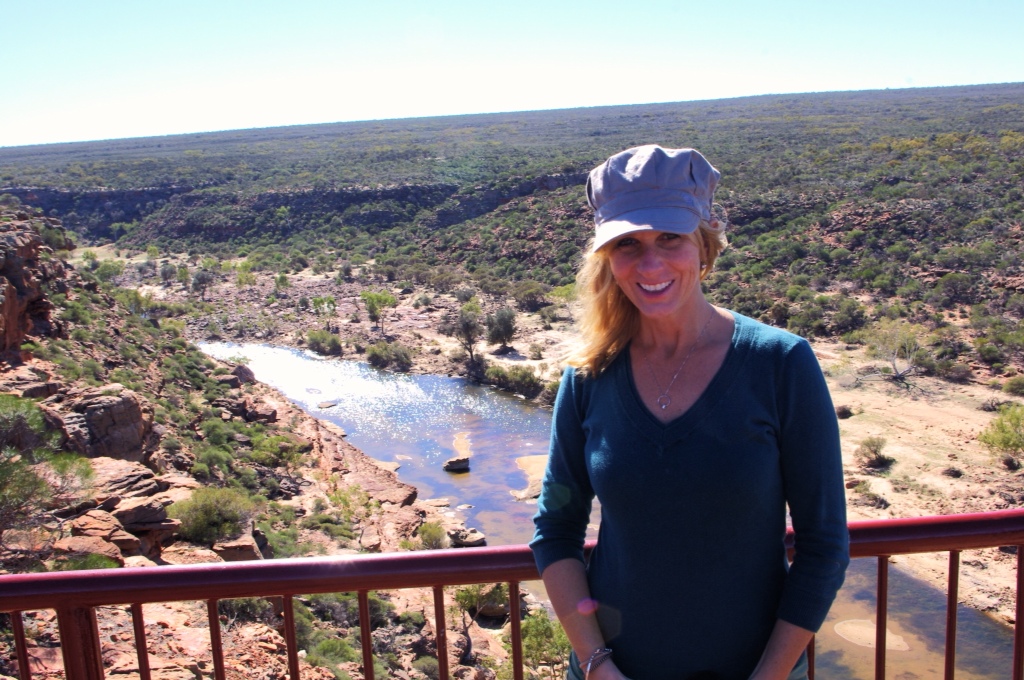
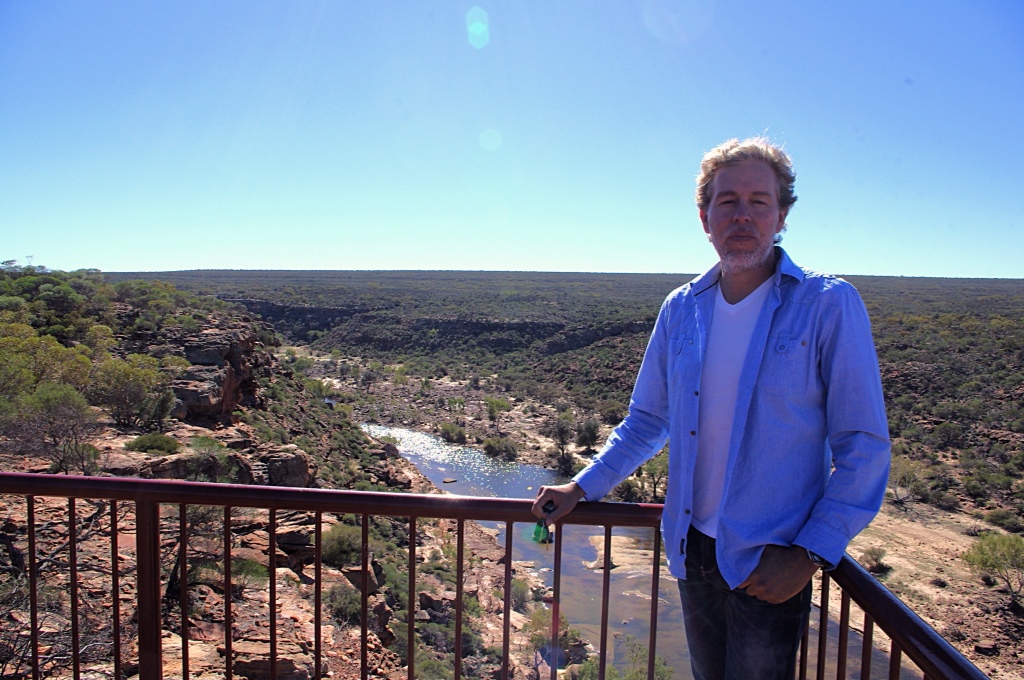
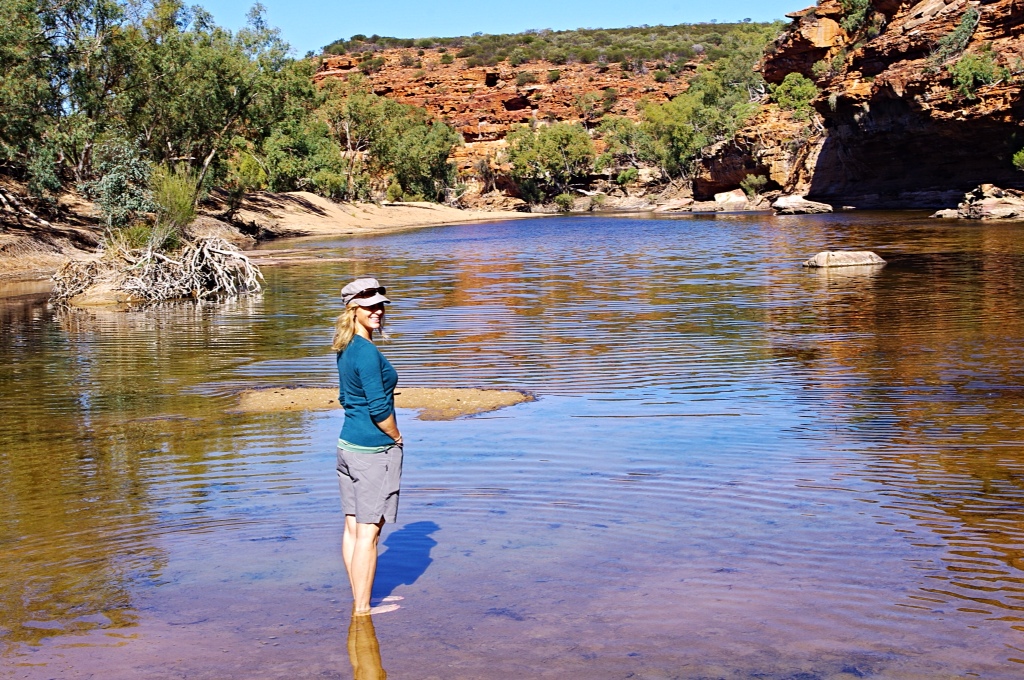
The next stop was at Ross Graham Lookout where the hike down to the river was fairly easy, even in flip-flops (which is what I decided to wear…no idea why). We got to the river and kept going. We ran into an Aussie couple from Melbourne. We had an interesting chat and found out they had lived in McLean, Virginia in the 70s. Small world, right? During the 70s, my family was living in Herndon, Virginia…practically neighbors to McLean.


An interesting fact about the gorges here…they contain fossil tracks of a Eurypterid, which is a scorpion creature that grew up to 2 meters long. Can you imagine being chased by something like that? I think I will pretend in my next running race…surely it will get me to move a bit faster!


After our attempt at tracking giant scorpions failed, we headed to Shark Bay which was another 4 hours away. On the way, we stopped at Billabong Roadhouse on the North West Coastal Highway, because Hectie wanted a cappuccino. He concluded that this roadhouse had the absolute world worst coffee, even worse than mine…and that is hard to beat.


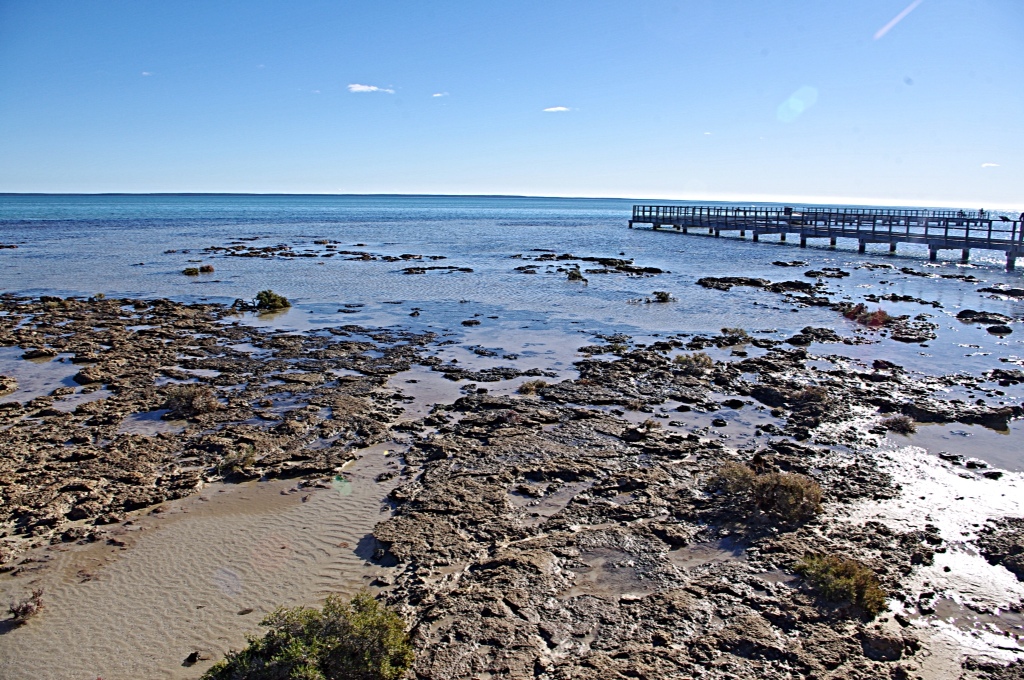
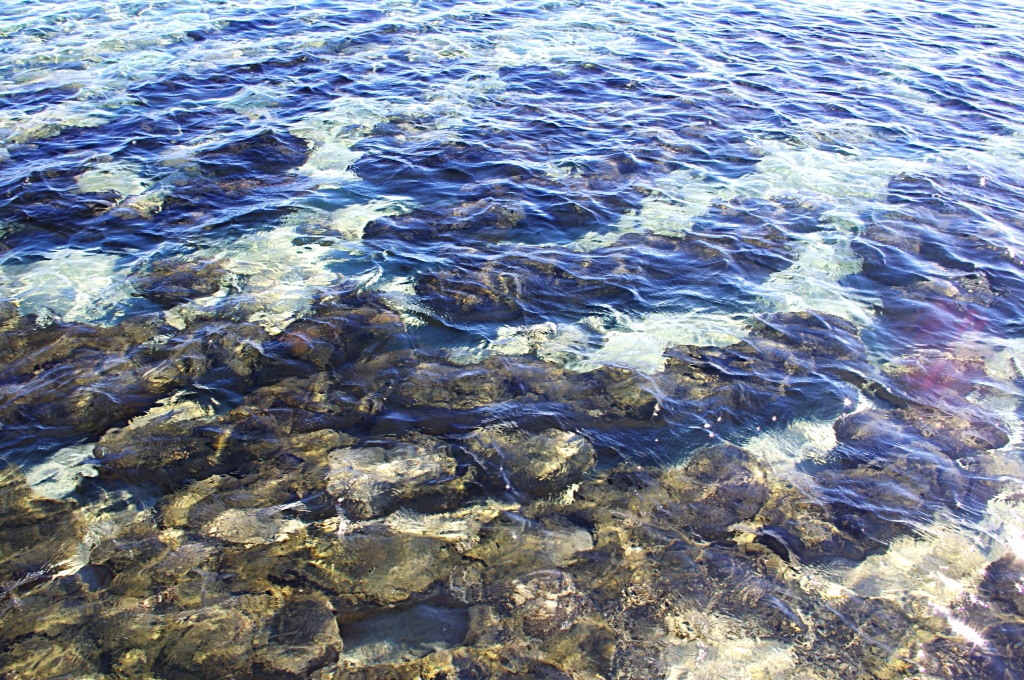
Arriving into the Shark Bay World Heritage Area, our first stop was Hamelin Pool. Hamelin Pool is the home to many Stromatolites. The Stromatolites found here are similar to the earliest forms of life dating back 3 billion years ago. This colony is around 3,000 years old and grows here because they enjoy the high salinity of the water with calcium bicarbonate and limited circulation of the water. An interpretive boardwalk is here and helped us to better understand the strange organisms living there.


Denham (population 800)

We arrived in Denham in the early evening and located a small apartment at the Trade Winds Motel. After relaxing a bit, we went to dinner at the Old Pearler Restaurant, the world's only shell restaurant. Unfortunately, we did not take a picture of this quaint building, but it is made of the sea shells found on Shell Beach. And, the food was great!

Tomorrow we will get up early to visit the dolphins at Monkey Mia. We are very excited…dolphins are adorable, right?

Drove 425 kilometers.

Ran 0.


Kalbarri, Western Australia

Monday, 3 June 2013

From Dongara we went north along Coral Coast. We made a quick stop in Geraldton (population 40,000) for groceries, but forgot it was closed due to Western Australia Day. Formerly known as Foundation Day, this holiday honors the date of 1 June 1829. On this date the Western Australia first settlers (British) completed their long journey by sea to the Swan River aboard the ship Pamelia. Other than shops being closed, we didn't find any other ways of celebration.

In Geraldton, there is a beautiful monument for the tragic HMAS Sydney II loss. The HMAS Sydney II lost all 645 sailors in November 1941 near Shark Bay while fighting with a German Raider. We saw the memorial but unfortunately did not stop to take photos. The memorial is designed with a silver dome on top made of 645 metallic seagulls representing each of the fallen sailors.

Northhampton

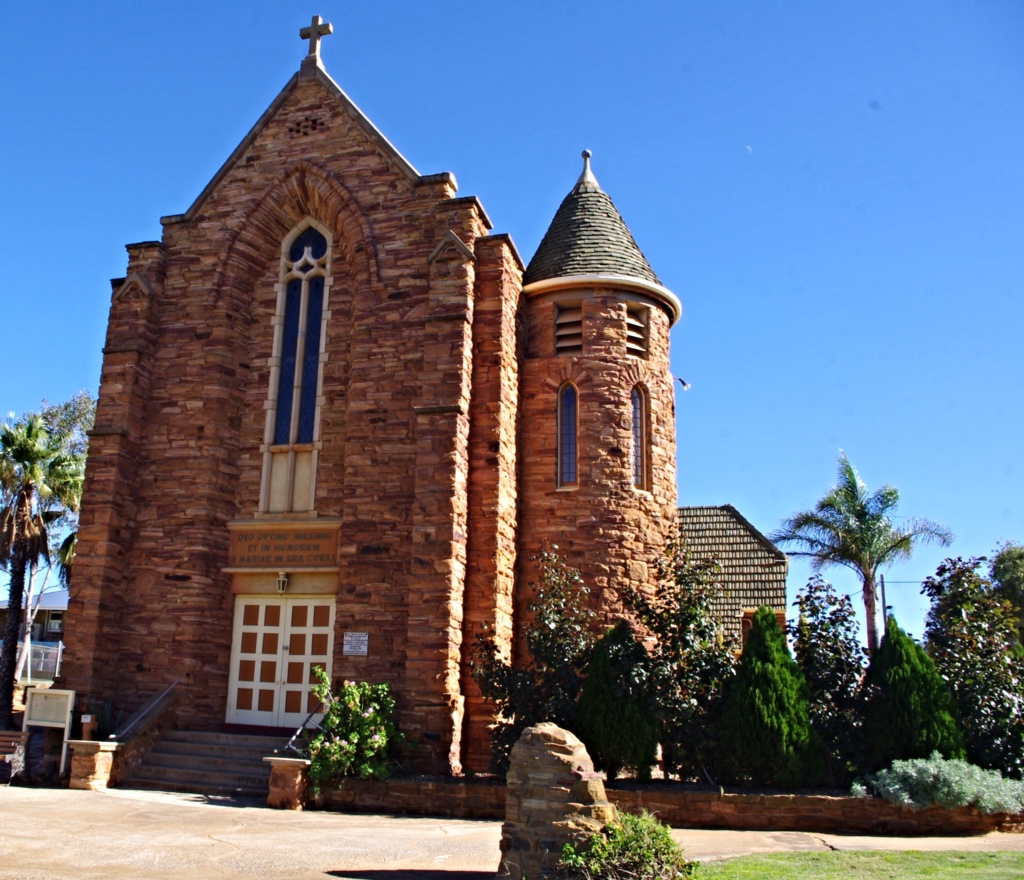
Later, we stopped in Northhampton (population 2,000), one of the oldest settlements in Western Australia. This area was declared a town in 1864. The beautiful stone St Mary's Catholic Church was built in 1936 by renowned architect and Monsignor, John Hawes.

Saint Mary's Church

There is also convent which has been converted to a hotel.


Horrocks


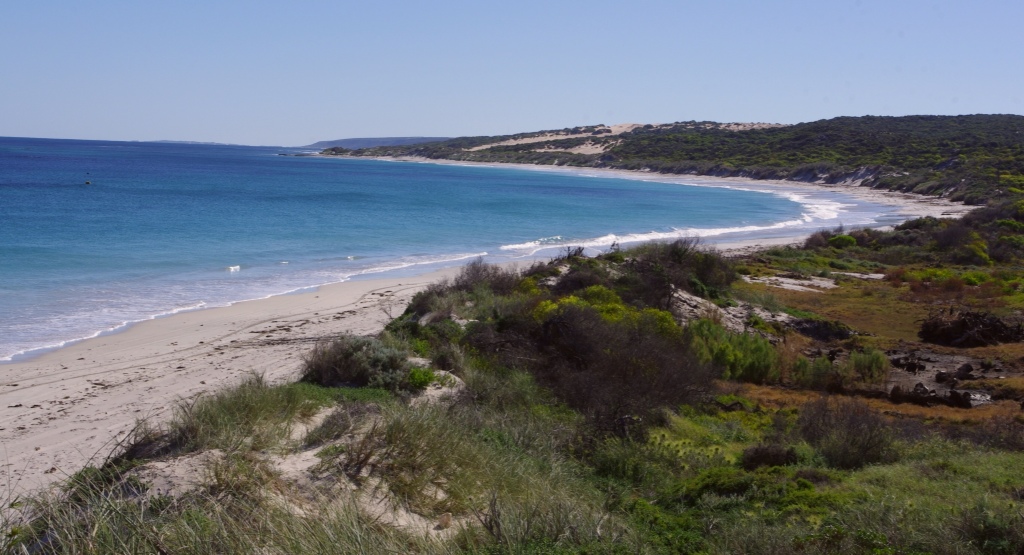
With glorious ocean views along white sandy beaches near the town of Horrocks, this is the part of the trip where I spend the next week talking about the beautiful northern beaches. I can't wait to spend a beautiful day out of the Amarok and in the coral blue waters…even if the water is a bit chilly.


We passed many farms on way to the beach, and the scenery was pretty and peaceful.


Port Gregory

Hutton Lagoon

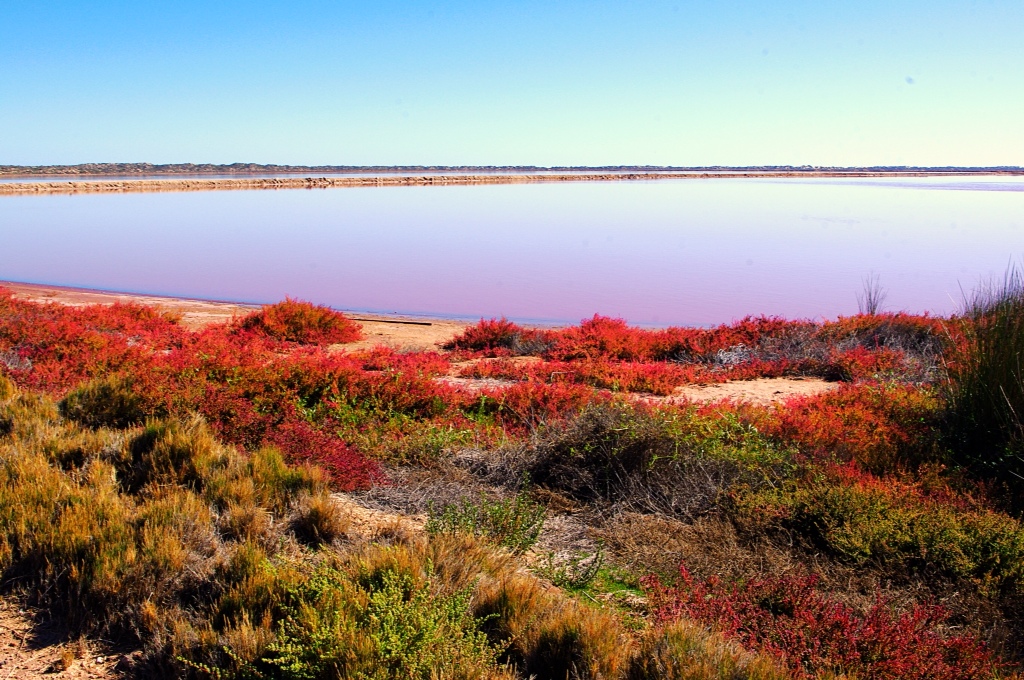
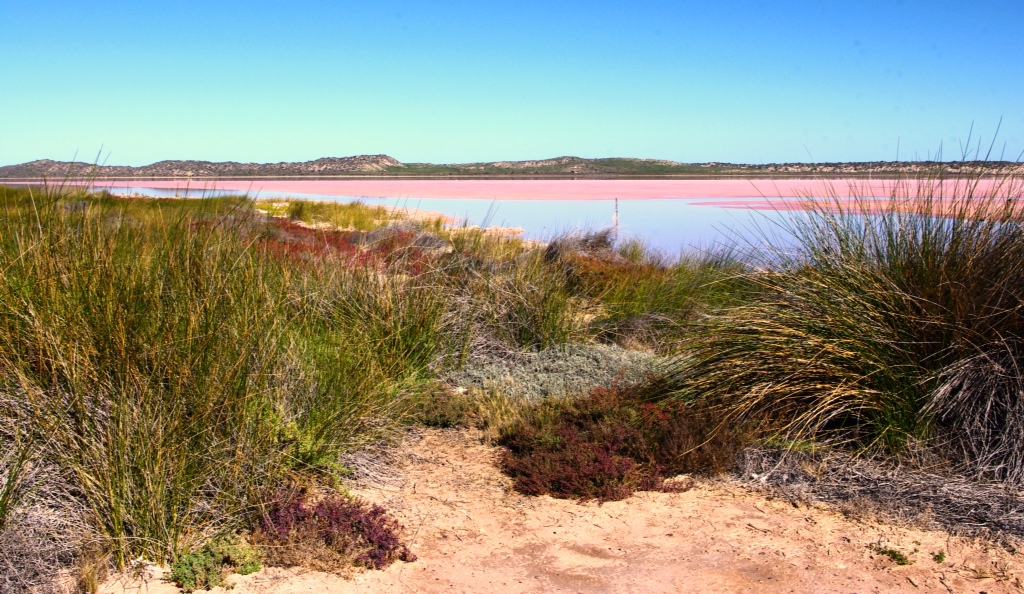
As we neared Port Gregory, a fishing village surrounded by exposed coral reef, we saw a pink lake! Yes…the lake was pink.


This lake is known as Hutton Lagoon. It is the color of pink because of naturally occurring beta carotene or due to Dunaliella salina, a bacteria trapped in salt granules…not sure. Very intriguing site, especially if your favorite color is pink.

Basf Chemical Company mines the beta carotene. Here is a photo of a portion of their operation.

 
Port Gregory is another lovely beach town…

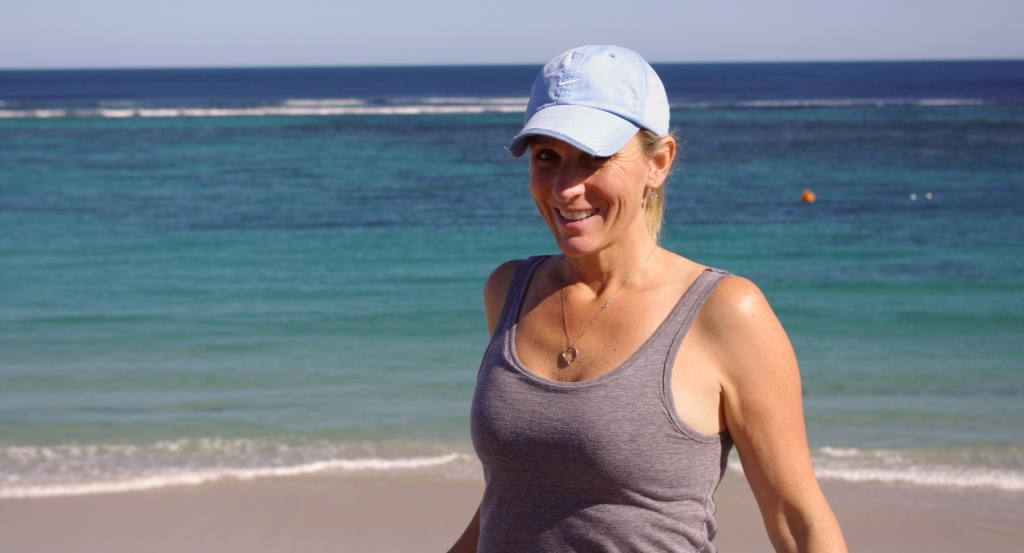
Hectie hanging at the beach.


Kalbarri (population 2,000)


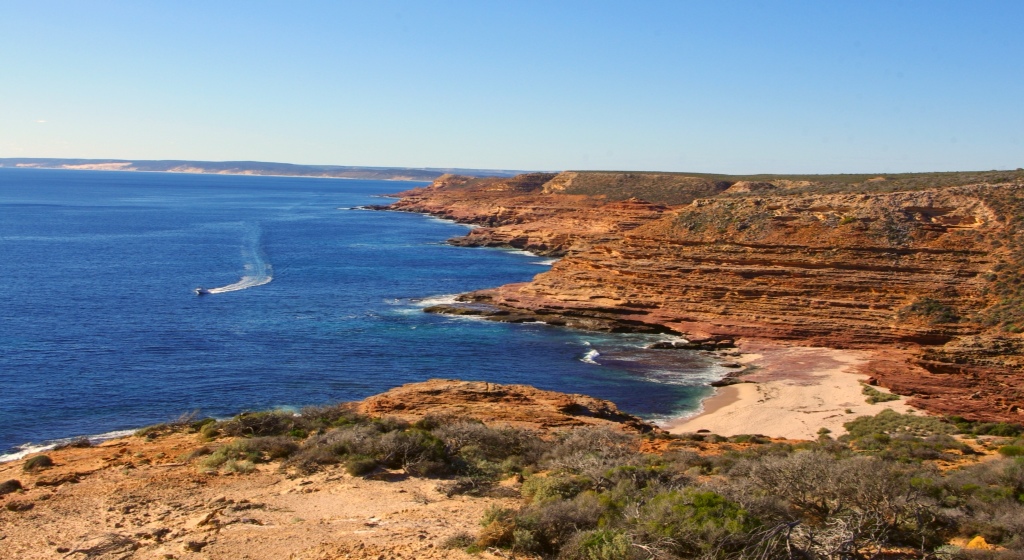
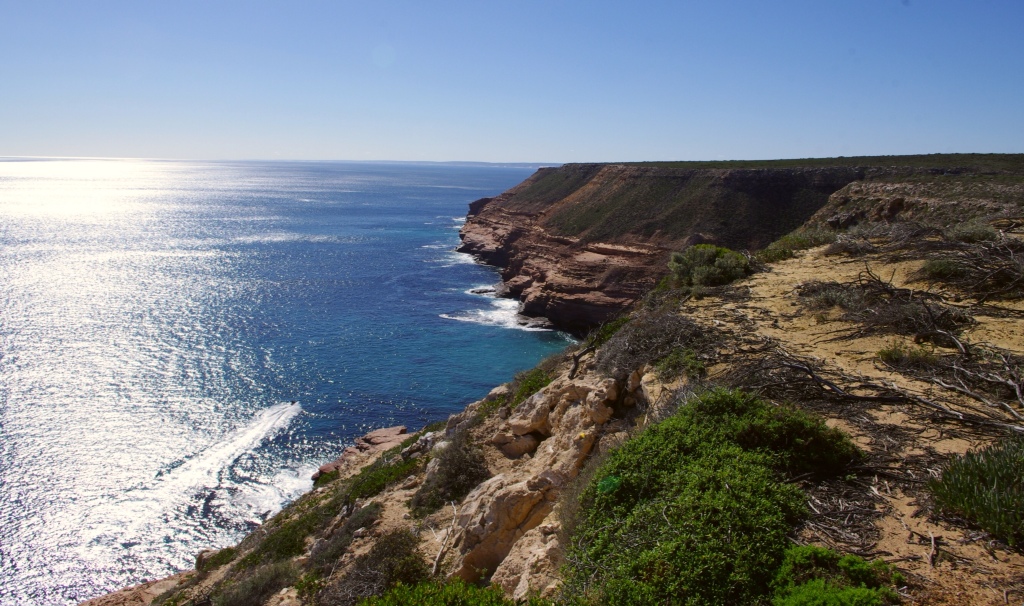
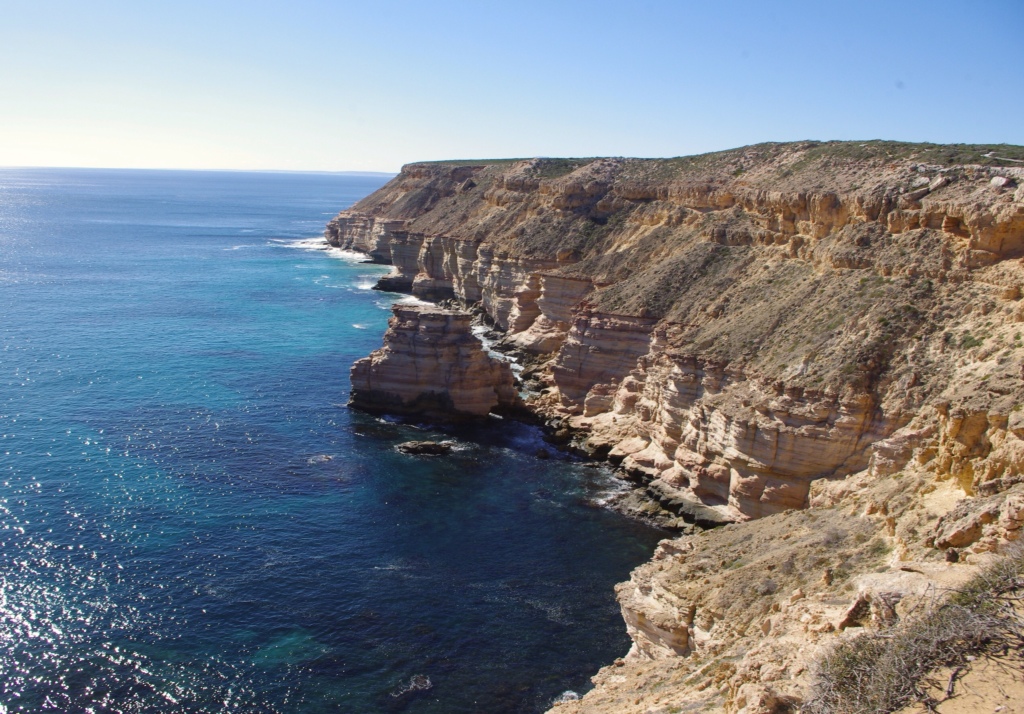
Our last stop today was outside of Kalbarri to hike along the Bigurda trail. The Bigurda Trail is an 8km walking trail which allows you to discover Kalbarri’s coastal cliffs. It is built high above the ocean and the views are mesmerizing.


Hector and I agreed this trail would make a beautiful run. With the spectacular sights reaching out forever, your legs would never tire. You likely wouldn't even realize you are running, because it is so lovely.


The trail from Natural Bridge to Eagle Gorge gives great views of the rugged cliffs, and there is a chance you might even see some dolphins or whales migrating along the coastline. We saw a number of dolphins swimming below and stopped to watch them for a long time.

Oh and the name Bigurda comes from the Bigurda Kangaroo which can be found in the area.


Ten minutes after leaving the cliffs, we entered Kalbarri and were on the search for an inexpensive motel. We found a room at empty and probably haunted motel, the Palm Resort. It didn't even have a reception desk, so we went next door to a “higher end” resort to collect the keys. We had a few concerns with the empty parking lot and wondered why we were the only ones there, but decided we would stay regardless. On a more positive note, the room was clean and didn't see any bugs!

We ate dinner across the street at Kalbarri hotel, which served us a good pizza.


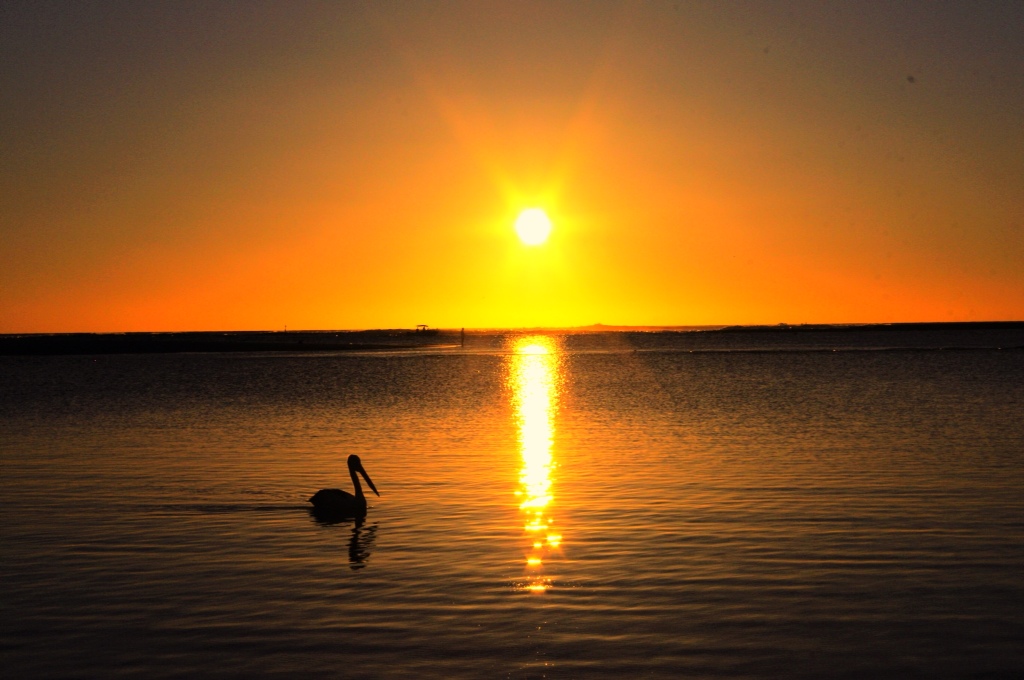
Pelican at sunset.

Watching a pelican swimming in the bay was a nice way to end the day.


Drove 296 Kilometers.

Hiked 5 kilometers.


Dongara, Western Australia

Sunday, 2 June 2013

Perth

After sleeping in, we ended up with a later start than originally planned. But, we still managed a quick 5 kilometer run along the Swan River. We decided breakfast would come later and we started our drive.

Our plan is to drive north and stop in interesting areas along the way. We may or may not make it to Geraldton tonight. It will be a day to just take time to enjoy.

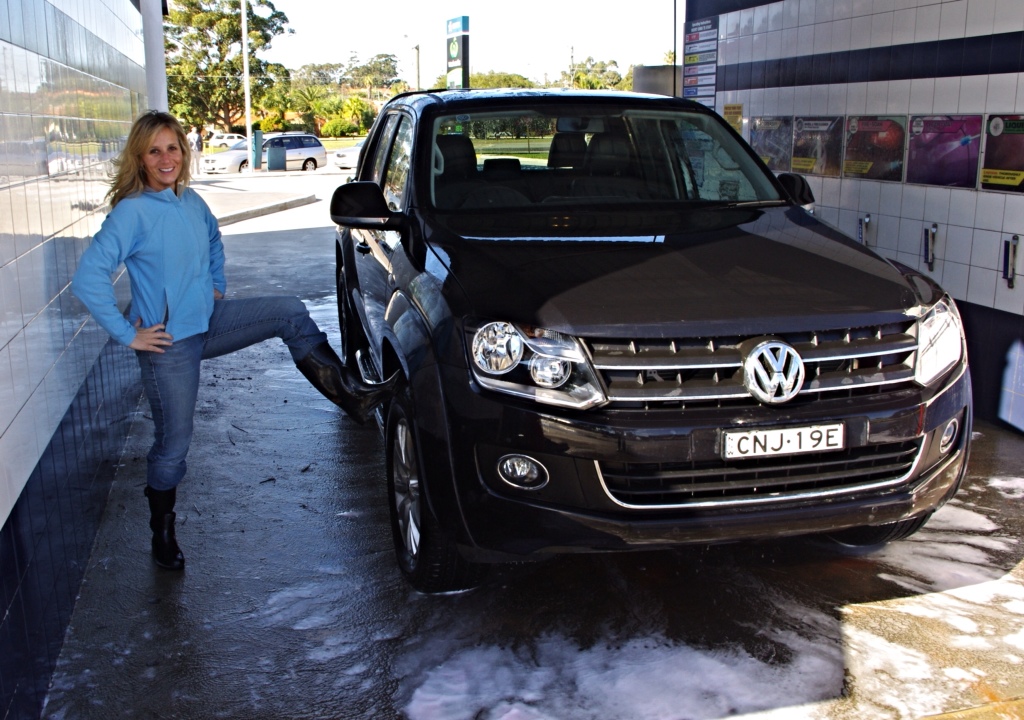
Oh…we finally decided it was time to wash the truck! So Hector told me to don my gum boots and get washing! 🙂


Yanchep National Park

Our first stop was the Yanchep National Park to see koalas. These adorable creatures would be the first for this road trip.

We stopped, but luck was not on our side. No koalas, but there are a lot if trees for them. I can understand why they hang out here.


Nambung National Park

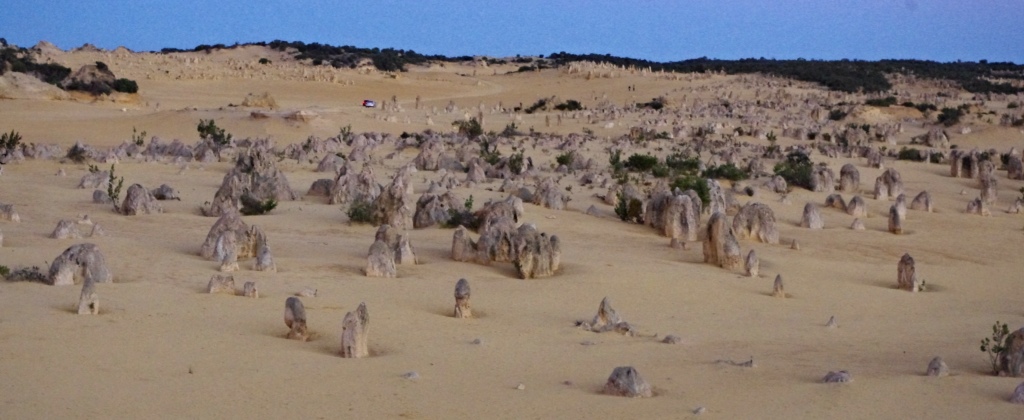
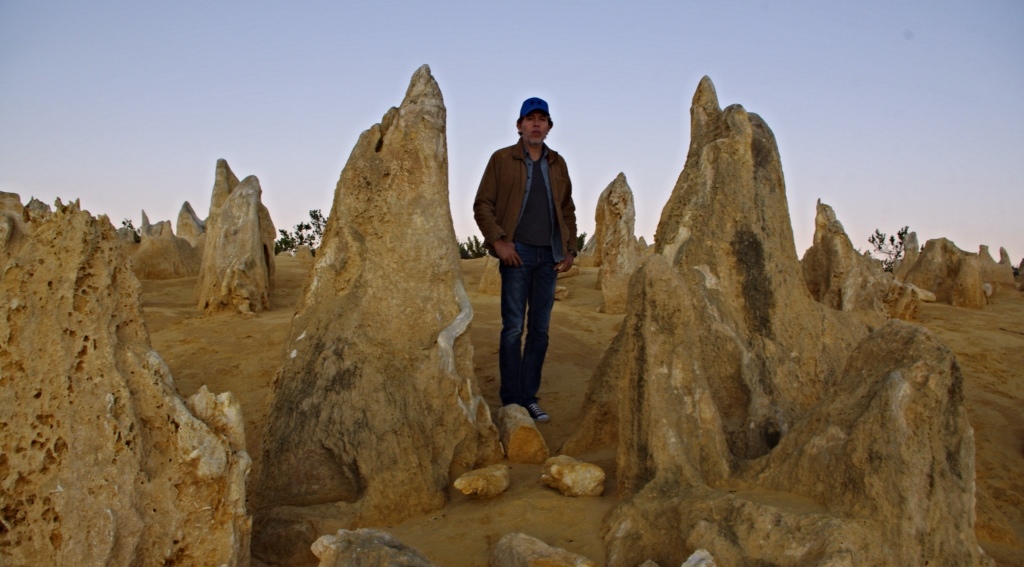
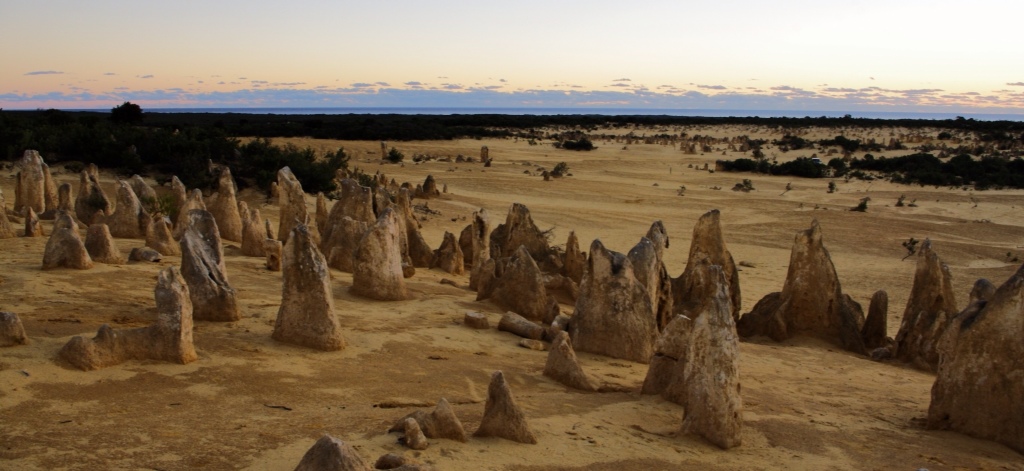
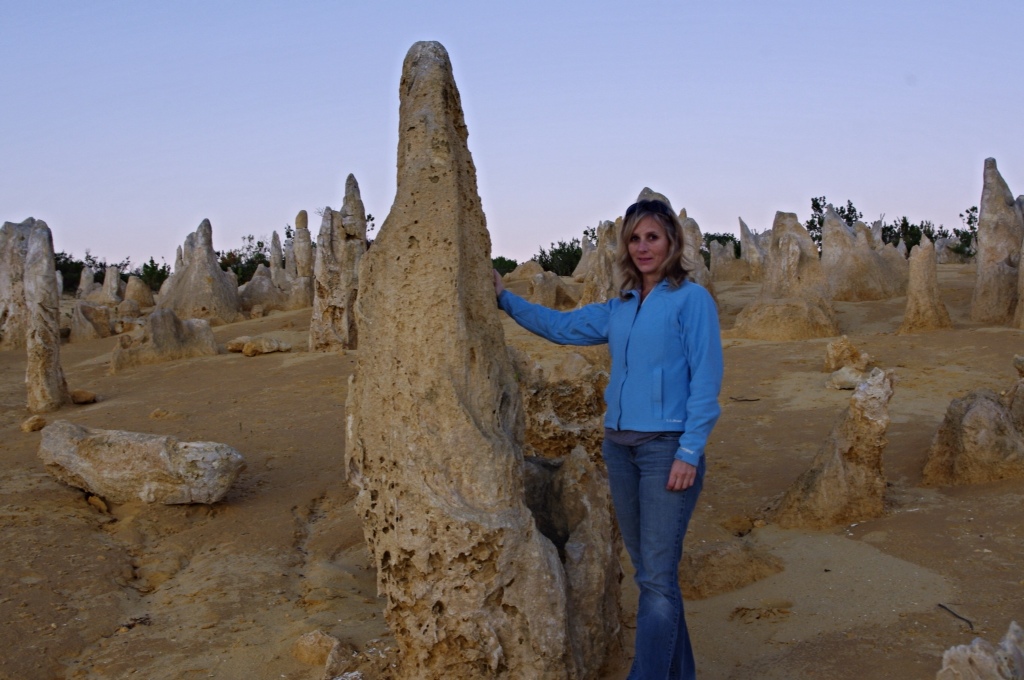
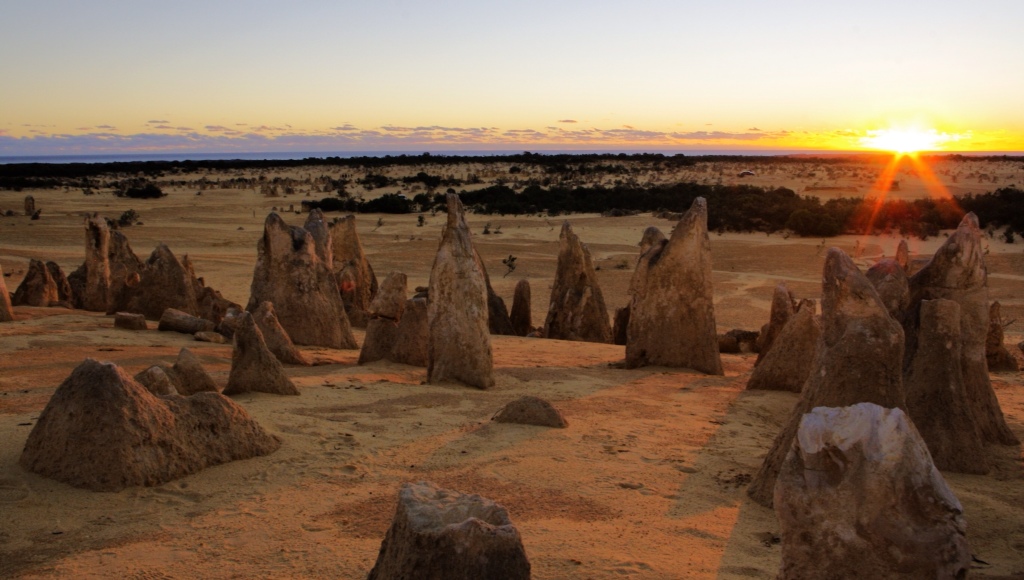
By the time we neared Cervantes, the Gateway to the Pinnacles, it was late afternoon. The pinnacles are located in the Pinnacles Desert, which lies within the Nambung National Park.

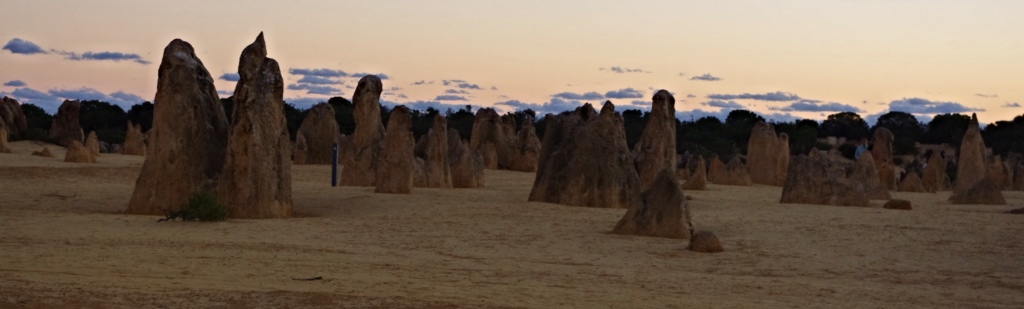
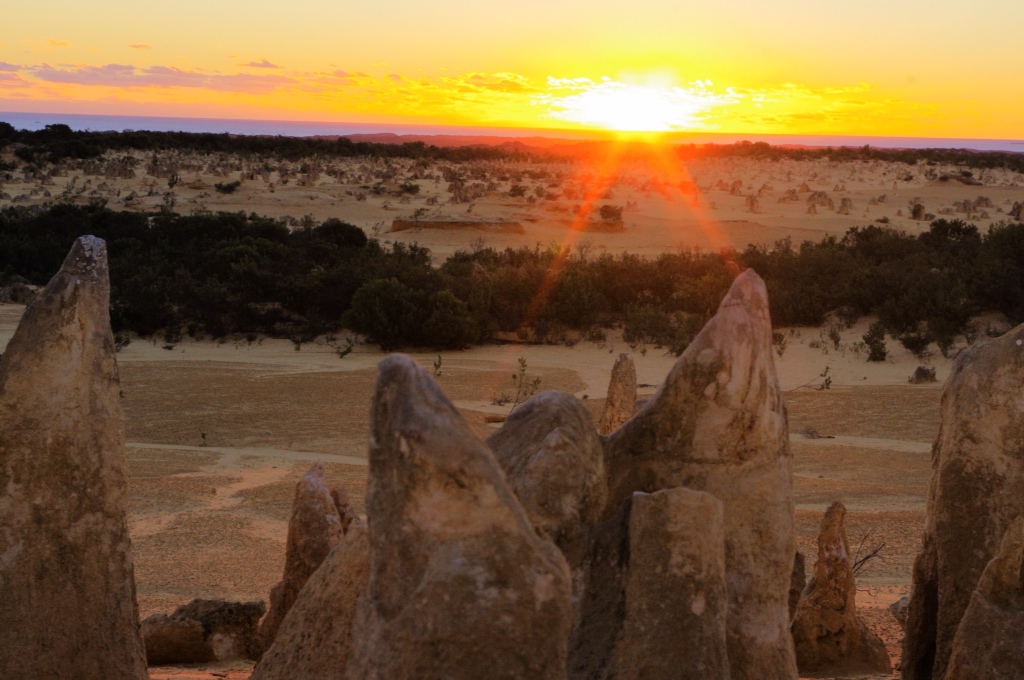
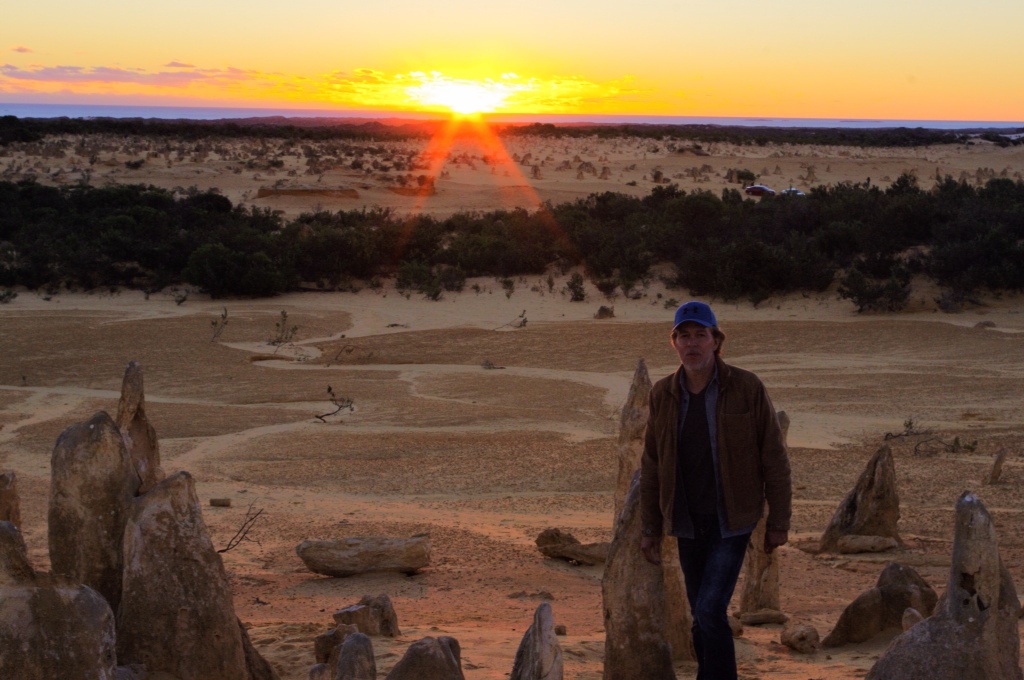
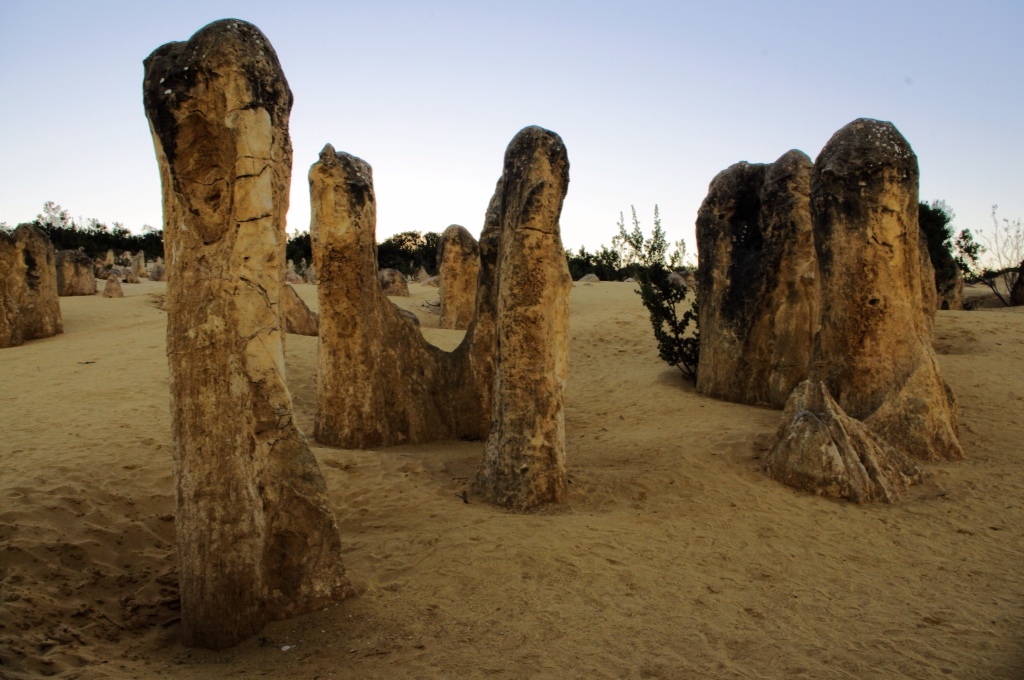
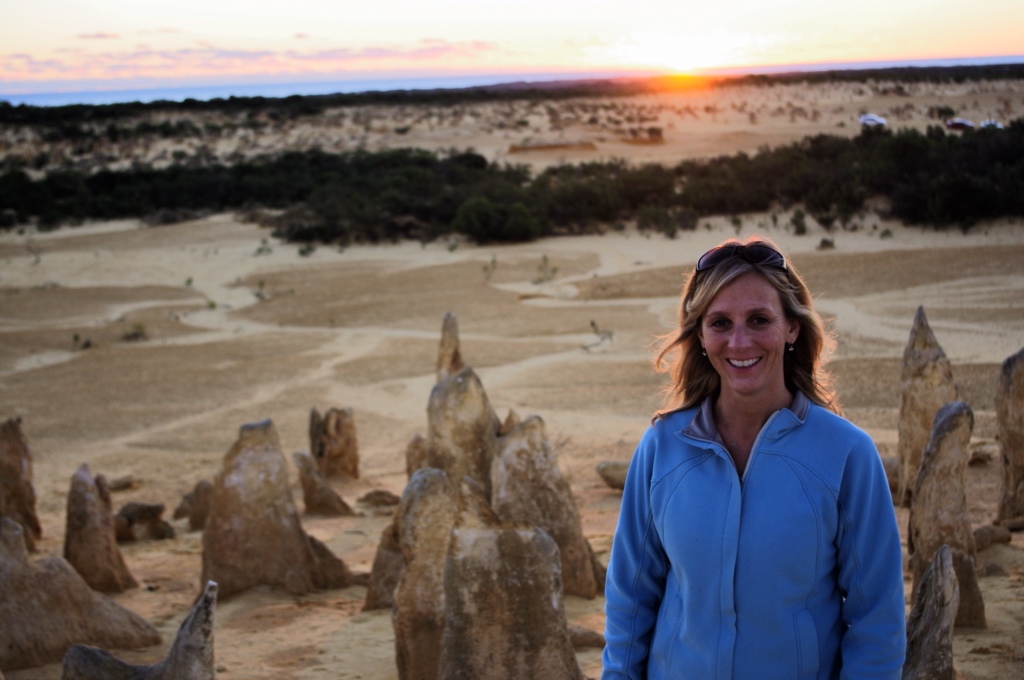
This area is spectacular, especially as the sun was setting. The pinnacles are limestone formations made up of beautiful earthy tones and range in so many sizes. We spent over an hour wandering around as the sun fell behind the edge of Earth.


We learned the pinnacles were formed a very long time ago when ancient plants formed cementation of calcite within the dune system. Then, wind shifting the sand exposed these pockets of calcite which form into the lovely pinnancle shapes.

Pinnacles at dusk…many photos…


Dongara (population 4,000)

After our visit to the park, we drove around Cervantes attempting to find a place to sleep. Out of luck! We drove on. We tried Jurien Bay and Eneabba…still no luck. Two hundred kilometers later we found a motel room in Dongara (around 9 p.m.), and went to sleep.


Drove 426 kilometers.

Ran 5 kilometers.


Perth, Western Australia

Saturday, 1 June 2013

Perth (population 1.6 million)

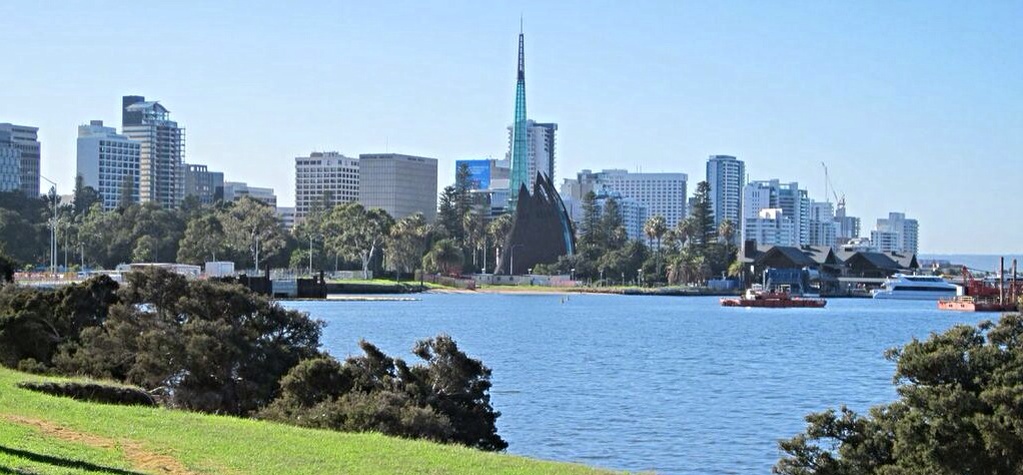
View of Perth along the Swan River. The tall green building is the Bell Tower at Barrack Square. The Bell Tower is an 82.5 meter tower which houses 12 bells (bells of St. Martins-in-the fields in Trafalgar Square)…interesting! http://www.thebelltower.com.au

Today is our day to explore Perth. One of the best ways to explore a new place is on foot, right? So our plan is to take in as much of Perth as we can by running and walking. The morning began with a run along the Swan River.


Our run was beautiful. Hector wanted to run further today, because he was enjoying it so much. Starting from the hotel, we crossed Terrace Avenue and were directly on the path that lead us to the Swan River. For those who know Portland, Perth has a similiar feel too it, great running and cycle paths and people really enjoying them. Grassy parks outline the river that runs parallel to the city's bussle.
Swan River Darter drying its wings.


On a interesting note, the Nyoongar people drew spiritual significance from the river. According to Nyoongar legend, Wagyi was a winged serpent who created the sacred Swan River.

Oh and even though Perth and Portland possess a similar vibe, I did learn that Perth and San Diego are sister cities (not Portland). How do cities become sisters? A mutual agreement, but why? Something to look into on a rainy day. I guess San Diego works, but from my knowledge San Diego is warmer and probably a bit more geared to runners (lots of running clubs, groups, trails, and events there). I am pretty sure these are not factors used in determining sisters.

After our 10 kilometer run, we took off walking to explore Perth CBD. We stopped at the Dome to share a toastie, then headed to the shops. Most of our driving portion of our trip has been spent listening to Triple J. We have a list of songs to download, but decided to pick up the latest Daft Punk cd at JB HIFI.

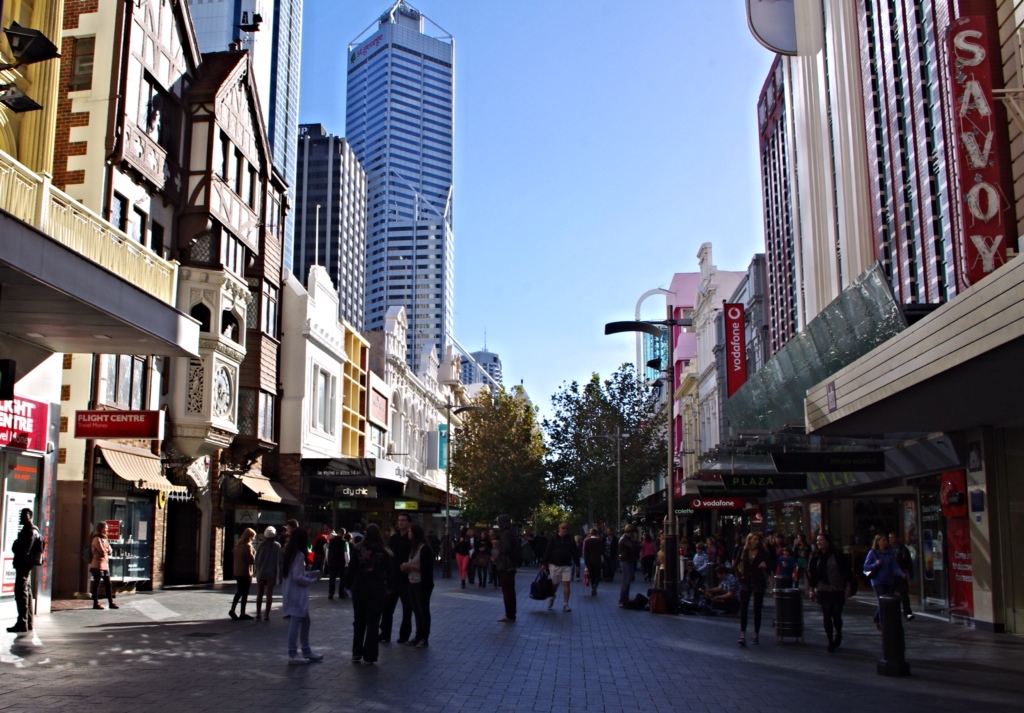
Perth CBD.
 

We eventually walked back to Barrack Square to take a ferry to Fremantle. Unfortunately, there is no public ferry and the private ferries were done with their cruises for the day. So, we decided we would drive the 30 minute drive to have dinner in Fremantle.

Fremantle

Fremantle is a port city with many museums. I would have loved visiting the shipwreck museum (yes…I have always been fascinated with shipwreck stories), but it was late when we arrived so we'll have to save it for next time. :(. But, Fremantle is a fun town even after dark. We quickly settled on eating at the Mexican Kitchen. http://www.mexicankitchen.com.au/ Great choice! Good Mexican food is hard to find in Australia, and this restaurant was certainly better than any place in Sydney. So, we left satisfied and happy.

The restaurants of Fremantle are located around their cappuccino strip, and Hector needed his 'before bed cappuccino'. So we found a chocolate bar and toasted our warm beverages before heading back to Perth.

Drove 40 kilometers.

Ran 10 kilometers.


South then North to Perth

Friday, 31 May 2013

Margaret River

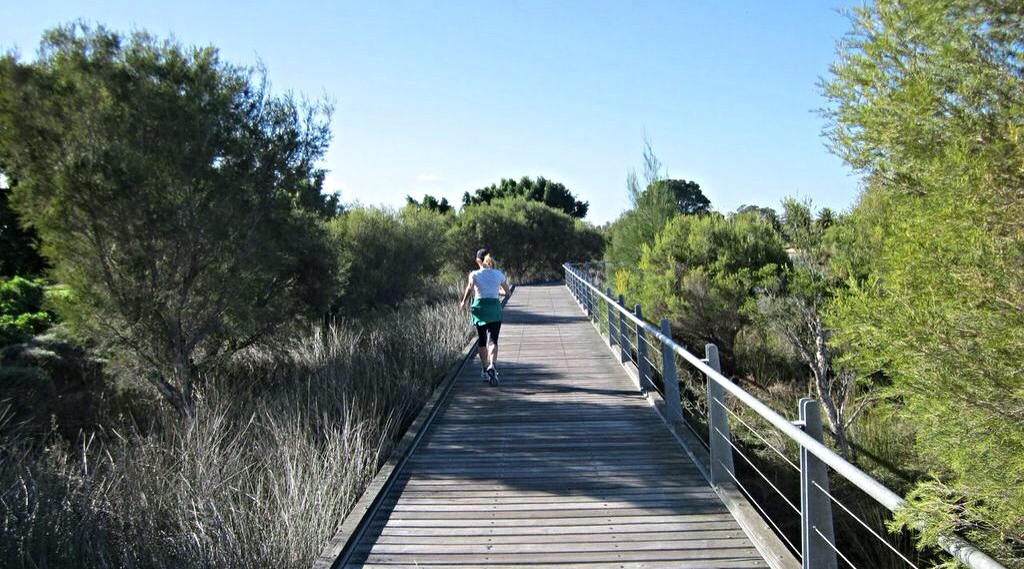
Running path to the river.

This morning the sun was determined, and it attempted to appear even though a light mist was raining down. Having slept in my running clothes last night, I was just as determined and very ready for the run this morning. The slight chill in the air would not keep Hector or me inside. We ran off from our little cabin at the Riverview Park and took a right down the dirt road to the Margaret River. Crossing the bridge we watched a smokey mist rise from river like floating ghosts.

Once on the other side, we were able to run parallel to the river for a few kilometers. Eventually the trail veered and we ran along the Ten Mile Brook trail and turned around after 3.25 kilometers. Then, we retraced our route back. Our total run this morning was 6.5 kilometers.

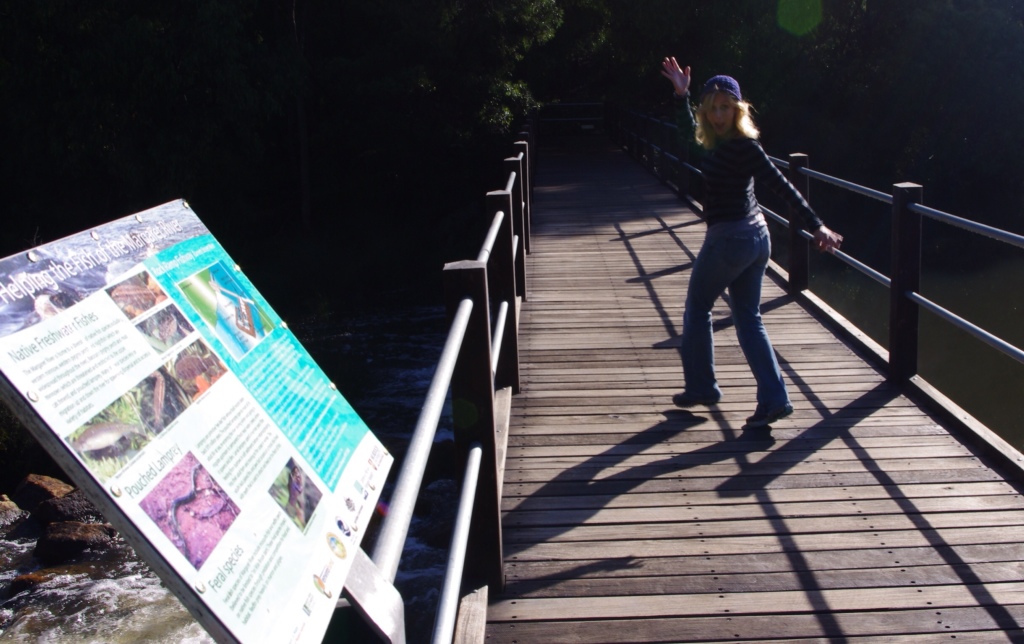
I forgot to take our camera on the run, so we re-enacted it after our showers…


After our showers and re-enactment, we were off to the Margaret River Bakery for breakfast. This bakery is quite charming with its hanging chandeliers and red, green, and tan oversized cushioned chairs. The fresh oj and shared veggies panini hit the spot, and we agreed that we would be quite happy to spend the entire day in this cozy bakery. But, we moved on to explore the region. (This area is very picturesque due to the numerous vineyards splattered everywhere.)

Augusta

While heading south, we stopped in the town of Witchcliffe at the Witchcliffe Candle Gallery. The candle display was surprisingly small, regardless we bought a $9 vanilla candle and chatted with the candle maker.


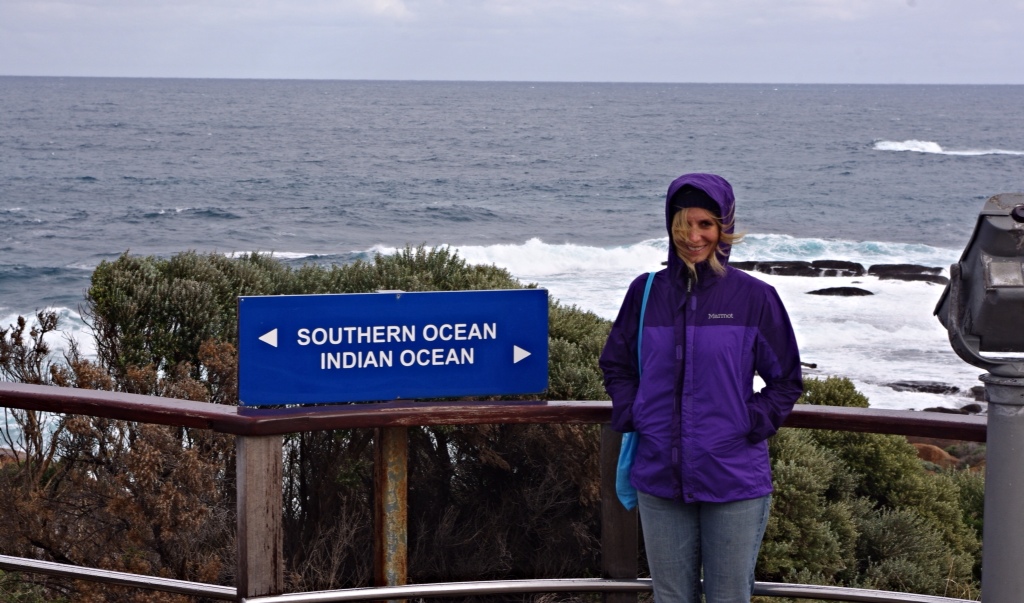
Our next stop was the Cape Leeuwin Lighthouse near Augusta. The lighthouse is located at the most south western point of Australia, where the Indian and Southern Oceans collide. I was surprised that we were a little over 5,400 kilometers from the South Pole…we had already driven further than that on this trip! Oh, and the lighthouse stands at 39 meters and is the tallest on Australia's mainland.

As we departed Augusta, we decided to take a different path and head north along Caves Road. Apparently caves lie everywhere in this region! Caves! I love exploring caves, so I was excited to have the opportunity visit a few caves in an area with 100's of unexplored caves. What a dream! The first cave we visited was Jewel Cave.


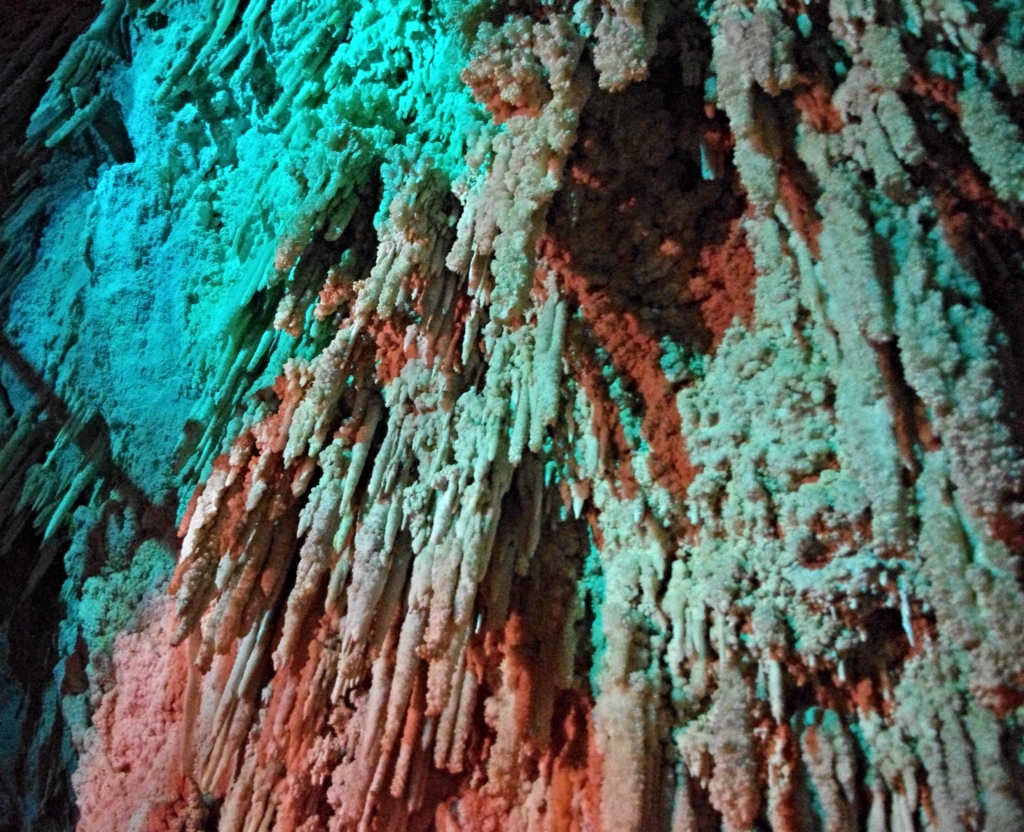
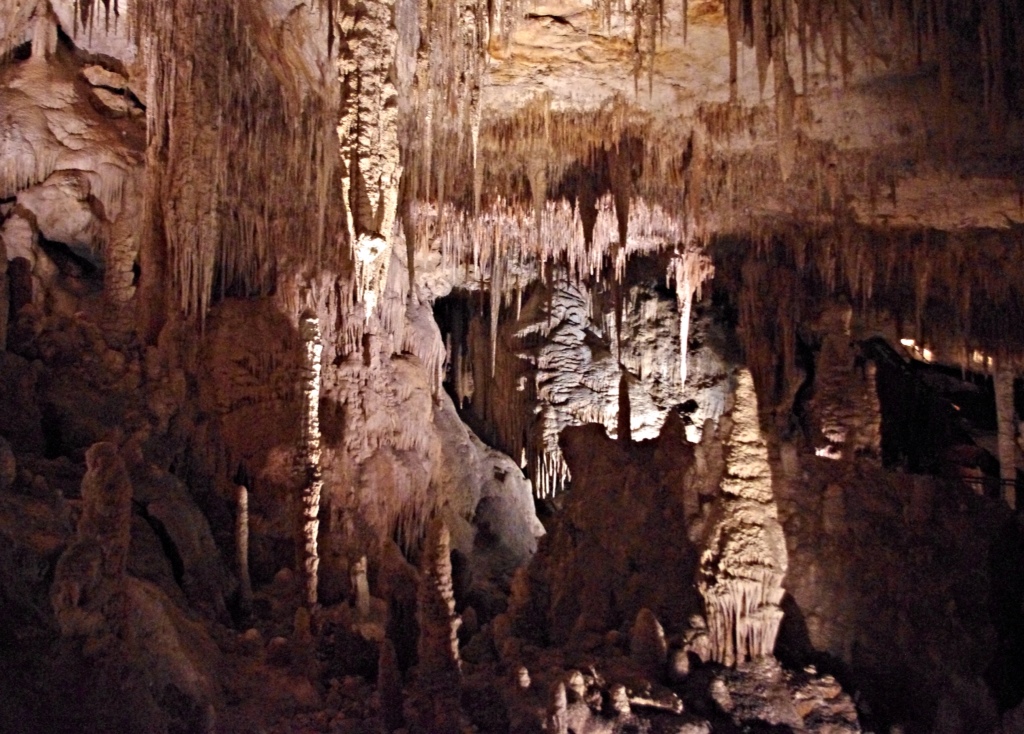
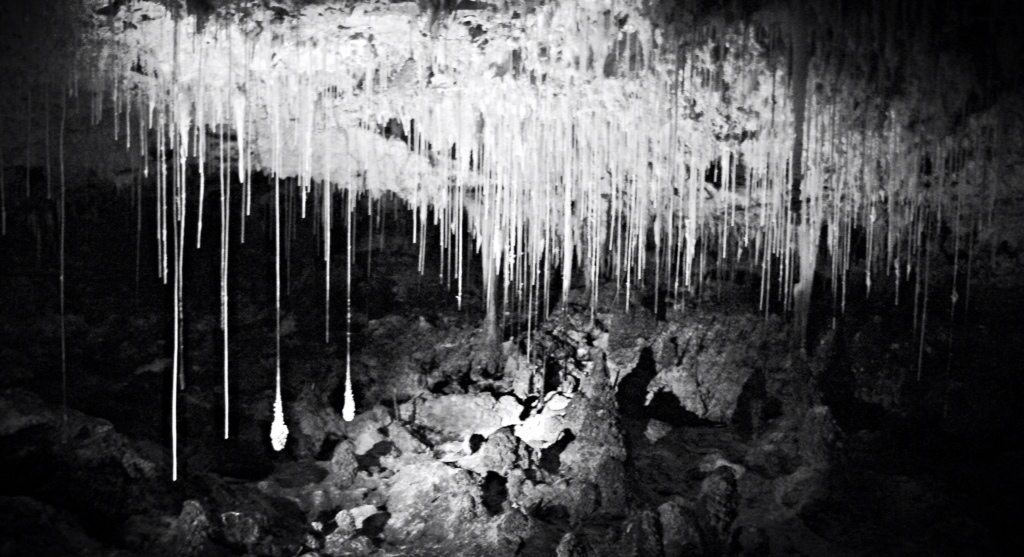
This cave was extremely impressive and the best cave I have ever been in! Holy long straw stalactites! The diversity of formations were beyond belief…definitely felt like we stepped into a jewel box with pendulites, helictites, massive stalagmites and flowstones. (The cave had a gorgeous display of cave coral too!). The pictures do not show off the beauty of this cave very well, but worth posting a few.

Cave coral.
The jewels in Jewel Cave.

Pendulites in black and white.


The caves in this area were formed by water carving and flowing through the limestone. It was interesting to learn that the remains of many giant creatures have been found in the caves, including lions, wombats, kangaroos, and even the Tasmanian Tiger.

The second cave on our visit was Mammoth Cave. We took the self guided tour through this giant cave. It was surprising that we were allowed to wander anywhere we desired.


Mouth of Mammoth Cave.


After our cave tour we started running into darkness, and we didn't have time to visit any of the wonderful wineries in the area. It was okay because we still have about a dozen bottles of Australia wine with us in our supplies. No shortage any time soon…

As we continued north, we took a coffee break on Victoria Street in Bunbury. Victoria Street is also known as the Cappuccino Strip. It is designed to recognize Bunbury's beginning as a port settlement. We enjoyed the maritime highlights of the town and wished it were earlier in the day so we could see more. But without light, we felt the need to get to Perth.

Arriving in Perth well after dark, we found a fabulous hotel at the edge of the city (http://perth.frasershospitality.com), made some miso, and headed to bed. Tomorrow the plan is to sleep in, run, sightsee, and run again!


Drove 413 kilometers.

Ran 6.5 kilometers.


Margaret River

Thursday, 30 May 2013

We woke up to another rainy morning. Despite the heavy showers our ute was still caked with mud from the previous day. But, it will have to stay that way for now.

Today, we had a short voyage from Narrogin to Margaret River. Skipping breakfast in Narrogin, we detoured into Collie for lunch.

Collie (population 7,084)

Collie is not far from Perth, only about 215 kilometers, but it is rural and located near or in the only coalfield in Western Australia. Therefore, it is no wonder that it is a coal producing town.

The town is named after the Collie River, which is named after Dr Alexander Collie. Unfortunately, I haven't figured out who Dr Collie was or his significance.

The vibe in the town is a bit depressing. It is no wonder that Collie was once referred to as a “dirty mining town.” Although, it strives to be a top Australian tidy town, I felt it has some more work to do. The saddest part of this town was the number of unhealthy people. I wonder if it has to do with the coal industry? Or maybe something in the water…

Margaret River (population 13,000)

Everything really changed as we neared the coast. Driving south from Bunburry to Margaret River felt just like driving somewhere back home in Virginia with its tree-lined divided highways that passed along horse farms and orchards. Very pretty.


Arriving in Margaret River, we found a nice cabin along the river http://www.riverviewtouristpark.com/. We settled in and drank some wine while happily watching the rain fall down. Once it slowed we got outdoors and figured out where we would run in the morning. Can't wait!

Drove 305 kilometers.

Ran 0.


Hyden – Home to the Wave

Wednesday, 29 May 2013

Hyden (population 365)

Heading towards the dark rain clouds, we drove the back road from Southern Cross (population 1,100) to Hyden to see the giant wave. A few skippies hopped across the road ahead of us and the rain poured down. The road got muddy and our VW ute went from a glossy black to an earth red, as we splashed through the puddles.

Our dirty VW Amarok


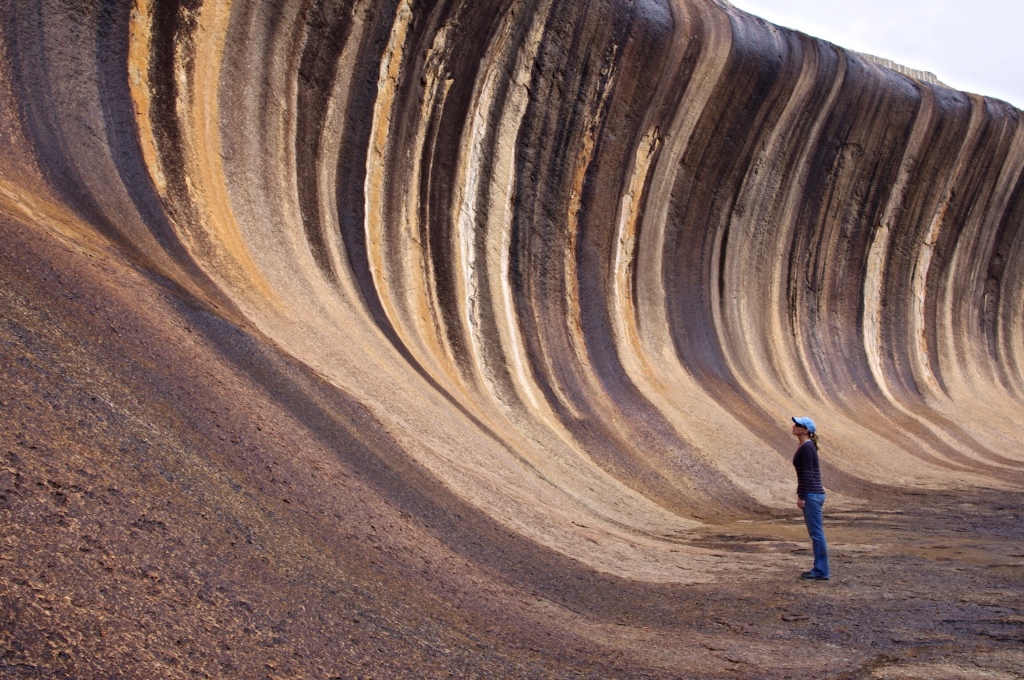
Hyden is the gateway to a giant granite rock known as Wave Rock. We entered from the back of the town along the Yellowdine Southern Cross Road, so our first stop was the rock.


Wave Rock is 15 meters tall granite rock, and standing at its base really feels like a giant wave is about to crash down on top of you. The sign at the site says the rock is believed to be 2,700 million years old.


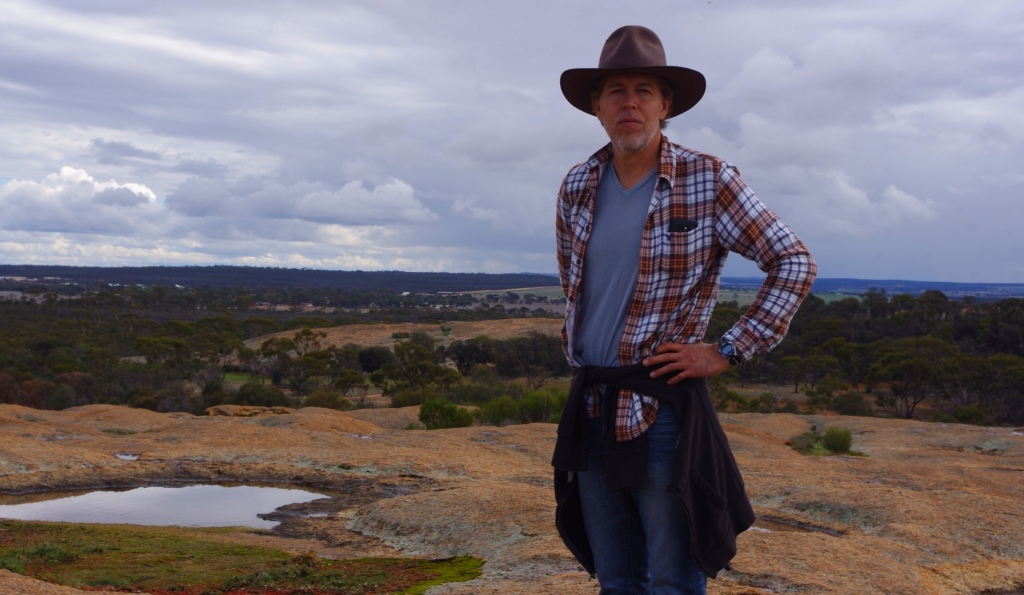
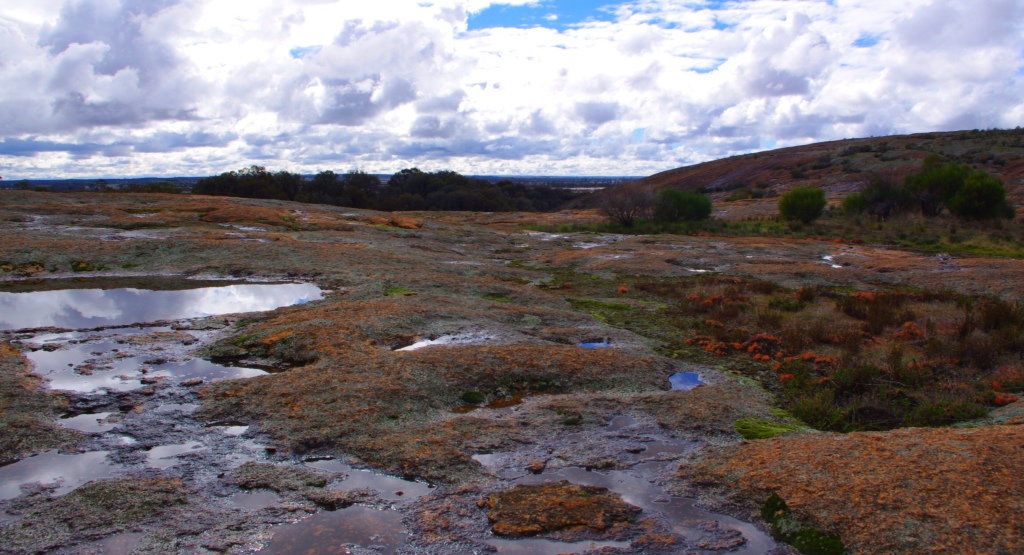
Hector and I decided to take a hike up and around the giant monolith. We walked and climbed everywhere possible. It was fun to walk over the cracks and puddles formed in the granite.


Tin Horse Highway


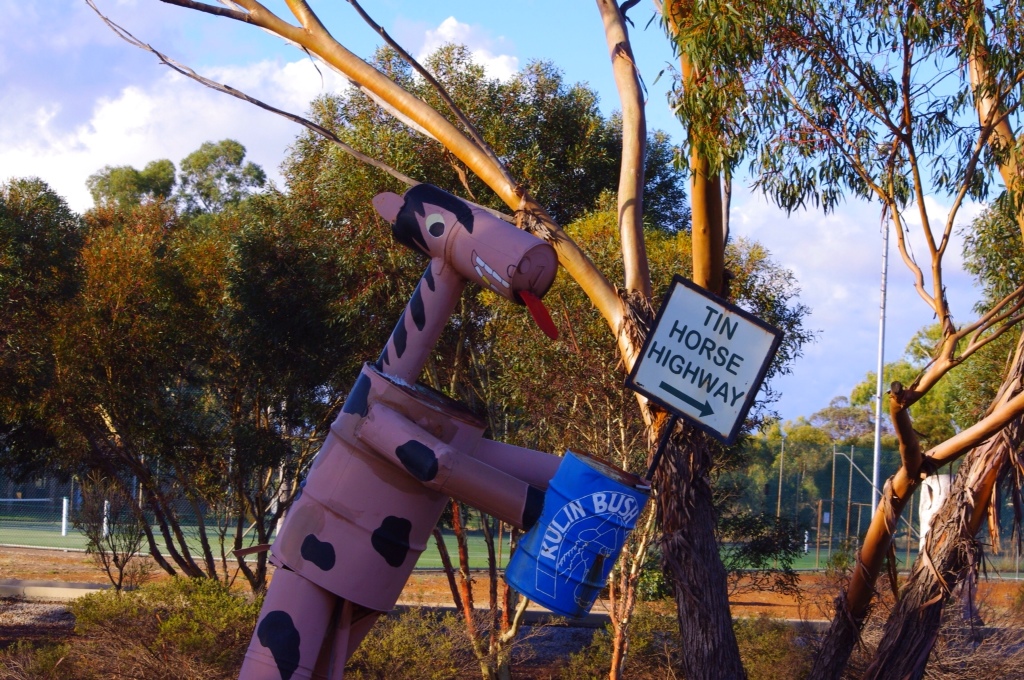
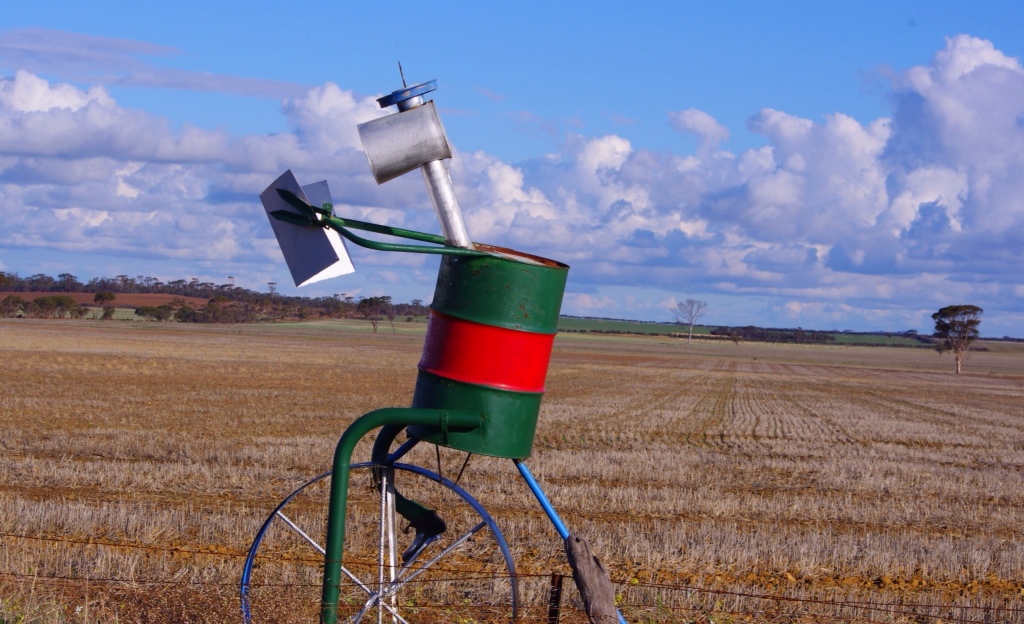
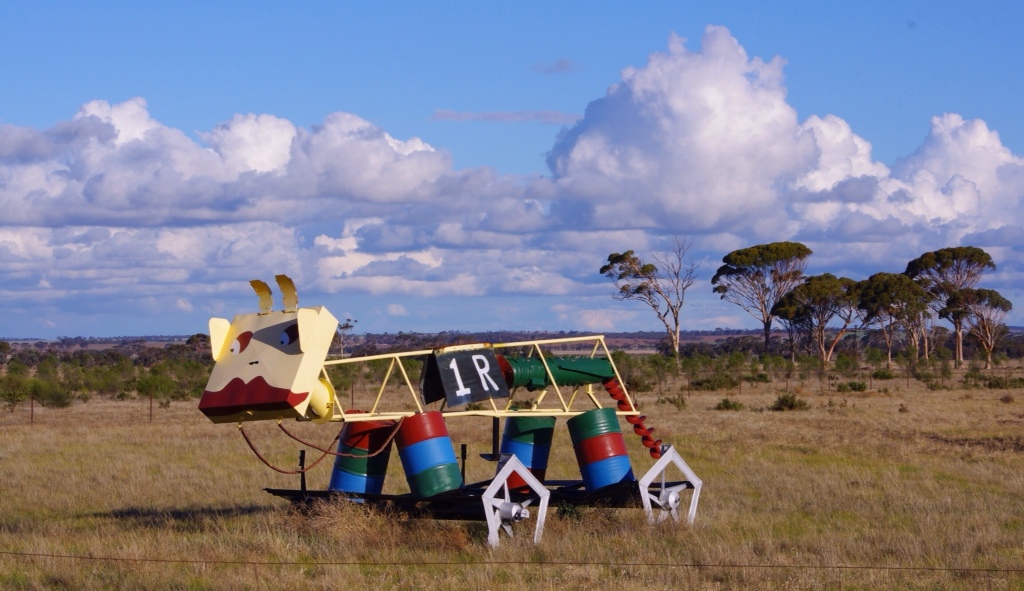
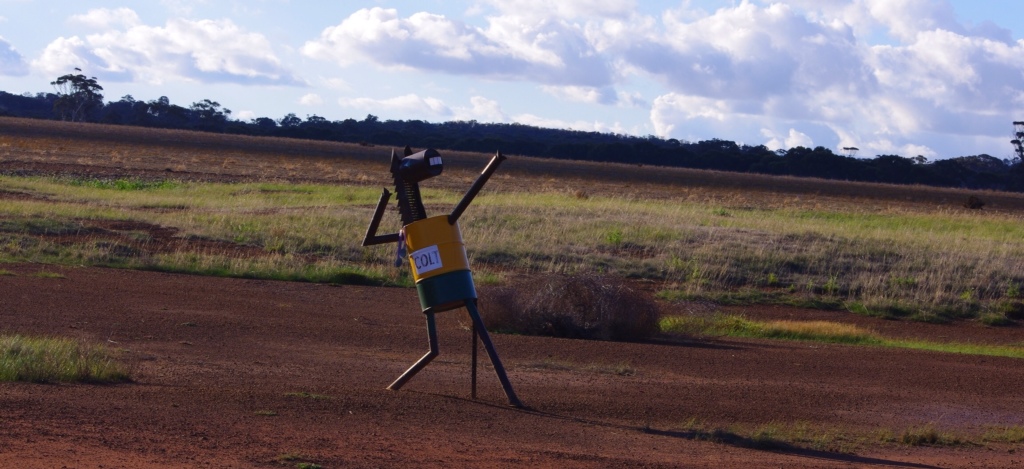
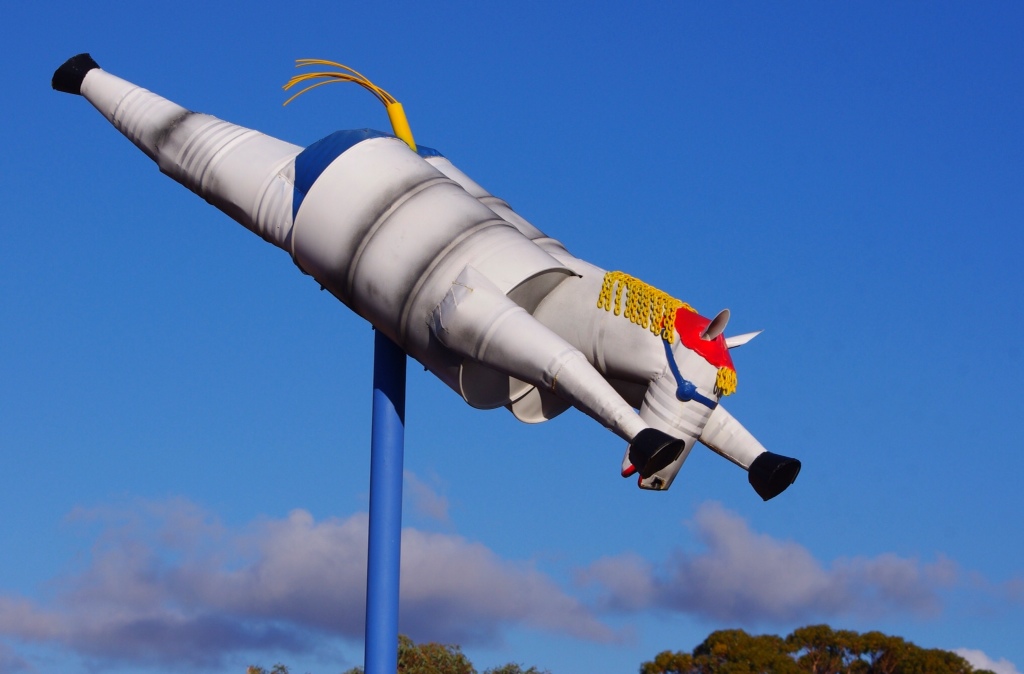
After our wave rock visit, we stopped at the local bakery. I picked up the visitor guide and discovered that between Hyden and our destination, Narrogin, there is a highway known as the Tin Horse Highway. It didn't take much convincing to get Hector to drive it. Hilarious! The local community of Kulin has a tin horse art competition each year to promote the Bush Race (which I think is a horse racing event) and designated this road to showcase the quirky horse art.

Here are a few photos of the artwork…

This year's winner, Usian Colt.

Narrogin (population 5,500)

We arrived at Narrogin, the commercial center of the wheat belt region, just before 6 p.m. and found out the town rolls up the carpets at 6. A bit surprised, we tried to get into Coles supermarket at 6:05 with no success, so we went back to the Narrogin Motel…AND I would tell you more, but I already forgot.


Drove 406 kilometers.

Ran 0. Hiked 4 kilometers.


Menzies

Tuesday, 28 May 2013

Kalgoorlie (population 30,000)

Lake Ballard

We woke up to heavy rain and it continued to rain and rain. Our plan was to drive up to Lake Ballard to run through the sculptures, known as Inside Australia, created by Antony Gormley, a British sculptor. If the rain was falling in the north we may not be able to access the lake, because it is located 50 kms down an unsealed dirt track. Our first stop this morning was the visitor information center to check road conditions.

By the way, a significant gold find by a man named Paddy Hannan happened, guessing over 100 years ago, in the Kalgoorlie region. Then, thousands of hopeful miners flocked to the area. There seems to be mines everywhere, including a very ugly and unbelievable super pit.

The Kalgoorlie visitor center employee checked with the visitor center in Menzies about the roads. The roads around Kalgoorlie had just been closed, but in the north the roads were still open, so we grabbed a bite at the local muffin shop and headed north.


Running the Menzies Sculptures

Menzies interpretive trail…in the early 1900s more than 10,000 people lived here. Now there are only about 60.


The area north of Kalgoorlie is called the Northern Goldfields, because of the towns established during the gold rush era. Menzies is one of these towns.

Arriving in the town of Menzies, we checked with the information center and found out the 50 kilometer road to Lake Ballard was open. By this time the weather was clear and beautiful.

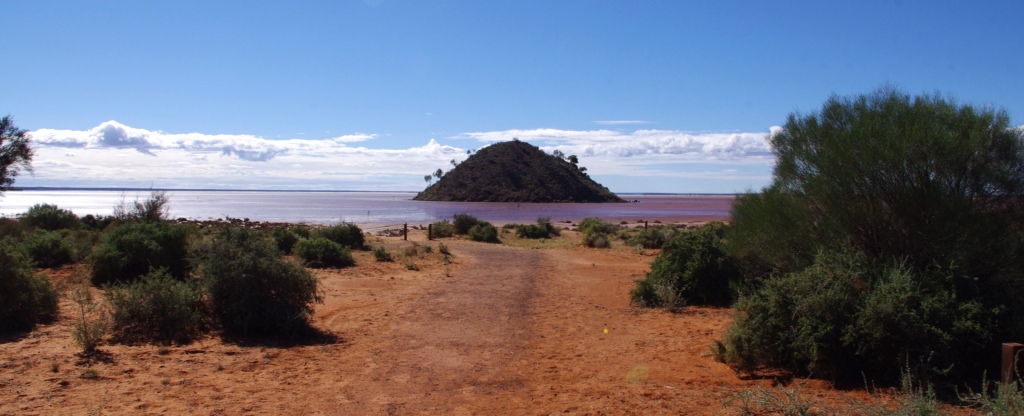
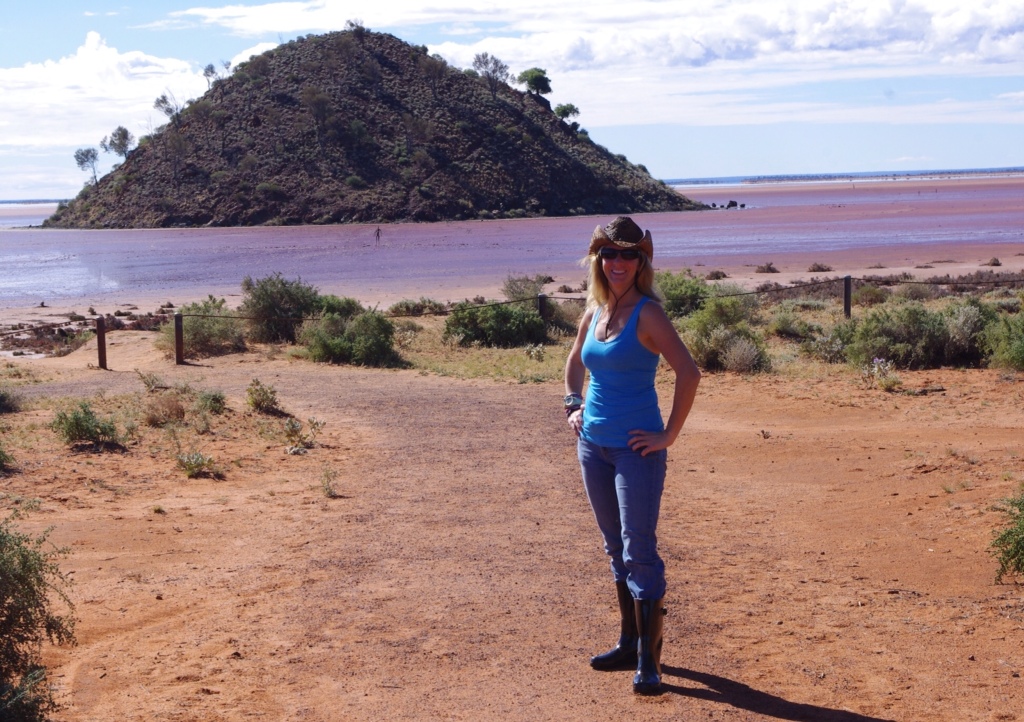
The dry lake looks wet.

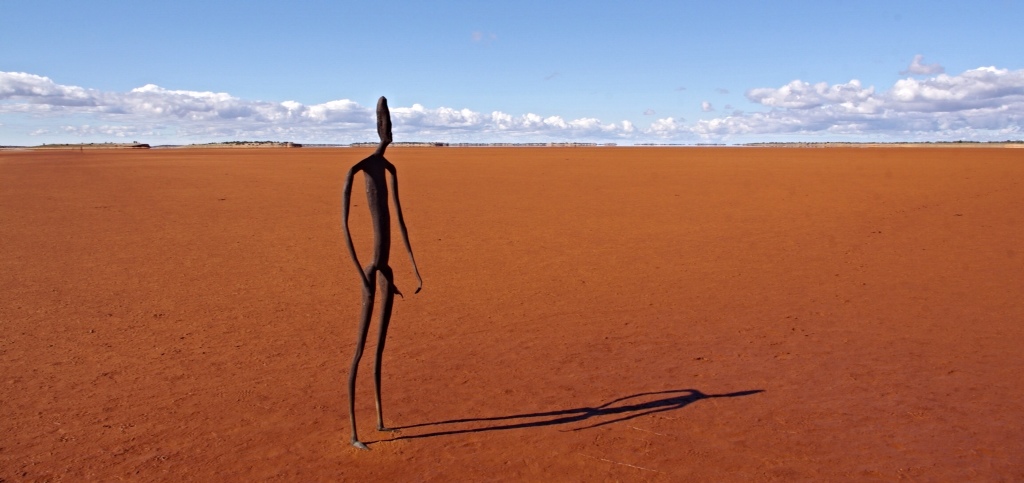
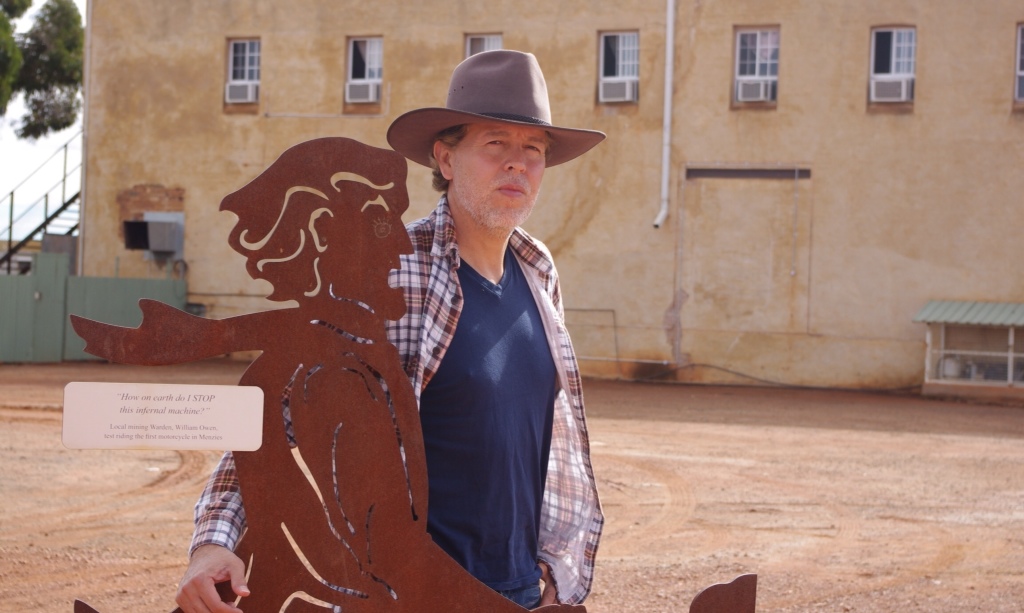
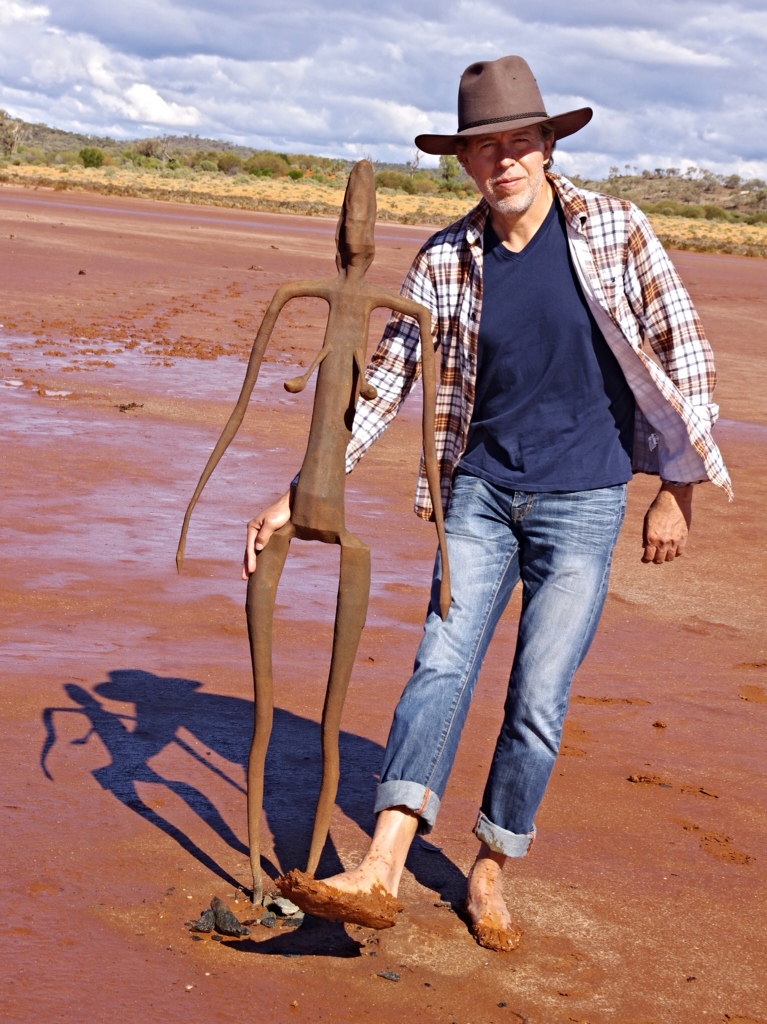
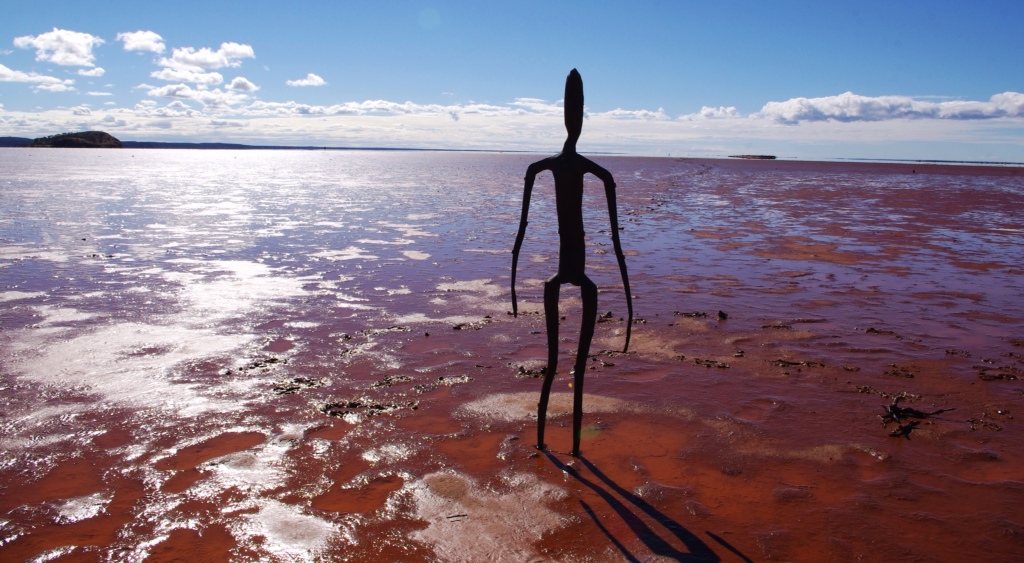
The sculptures are brilliant! In 2003 for the 50th anniversary of the Perth International Arts Festival, Gormley placed 51 sculptures of the Last Nomads across the giant dry (today…not so dry) lakebed. These sculptures made of molybdenum, vanadium, and titanium alloy represent the Menzies inhabitants. The story is that Gormley scanned 98 naked inhabitants with 3D technology to produce realistic sculptures. On the lakebed, sculptures existed further than our eyes could see. We really enjoyed having the entire place to us and the 51 sculptures.


Due to the rain, the white salt surface of the lakebed turned to dark red mud. If the surface was dry, then the running here would be beyond phenomial. But today, the running was slow and slippery…we decided not to even bother changing into running clothes and slogged a few kilometers from inhabitant to inhabitant. I did get to try out my gumboots! Hectie, who kept giving me a hard time about bringing the boots, had to travel the muddy surface in his bare feet. Ha…the best $14.95 I ever spent!


Moorine Rock Motel


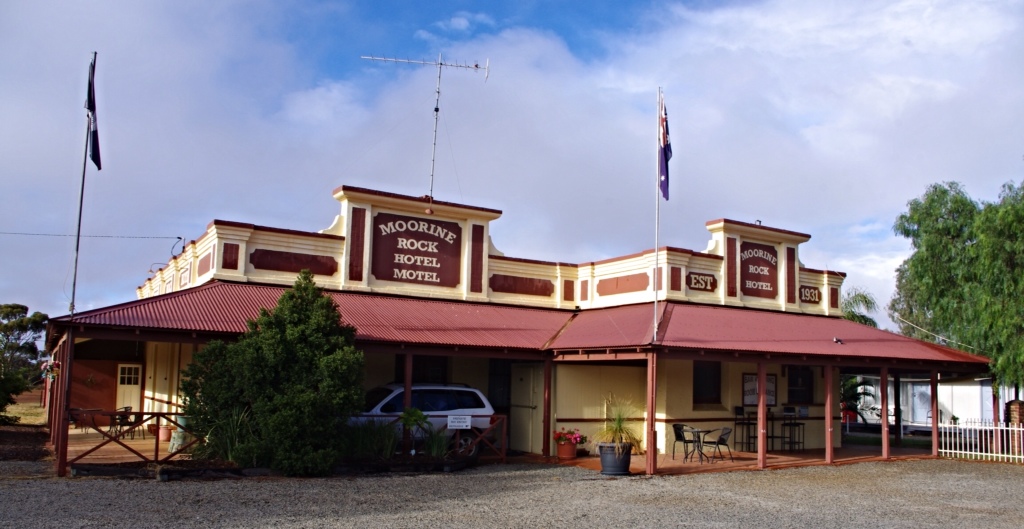
After stopping at Kalgoorlie Woolies for a few supplies, we drove for a few hours in the night to the Moorine Rock Motel, located 20 kilometers west of Southern Cross. We were greeted by a friendly man in the pub, who happily assisted us with a lovely motel room. Not too long after check in we were sound asleep as road trains breezed by our little place along the Great Eastern Highway.

Drove 611 kilometers.

Ran 4 kilometers (sort of).


Kalgoorlie – The End of the Nullabor

Monday, 27 May 2013

Balladonia, Home of the Skylab Crash

Balladonia has some interesting history. The name comes from the Aboriginal people and means big rock by itself. We didn't find the big rock, but didn't really look either. From 1897 to 1929, there was a telegraph station here, which was part of the Perth to Adelaide line. The telegraph line to the south along the coast was having problems because the sea spray from the Southern Ocean kept shorting it. Therefore, the Aussies built a line a bit further to the north.

The town was unable to grow because the climate was too arid and water sources were scarce. Even today they haul all the water in from Norseman.

A piece from the Skylab. Real or not?
 

In more recent times, the area made the news (in 1979) when the Skylab space station re-entered our atmosphere and left its debris all over the Balladonia area. They even have a piece if it in their little museum at the roadhouse.

And…first thing in this morning, Hectie and I went out to try the Skylab golf hole, par 3, 175 meters. Balladonia is very small, so we didn't have a running option (we probably could have found somewhere to run, but golf seems to be our focused now). We decided golf was the next best thing, so we thought… Three lost balls later we finished the “saltbush ball-eating hole” with horrific scores, 8 hits for the both of us. We decided that cappuccinos would lift our spirits and then got back to the road. The cappuccinos were very awesome!

Our photos showing how we felt after this ball eating hole!


Fraser Station

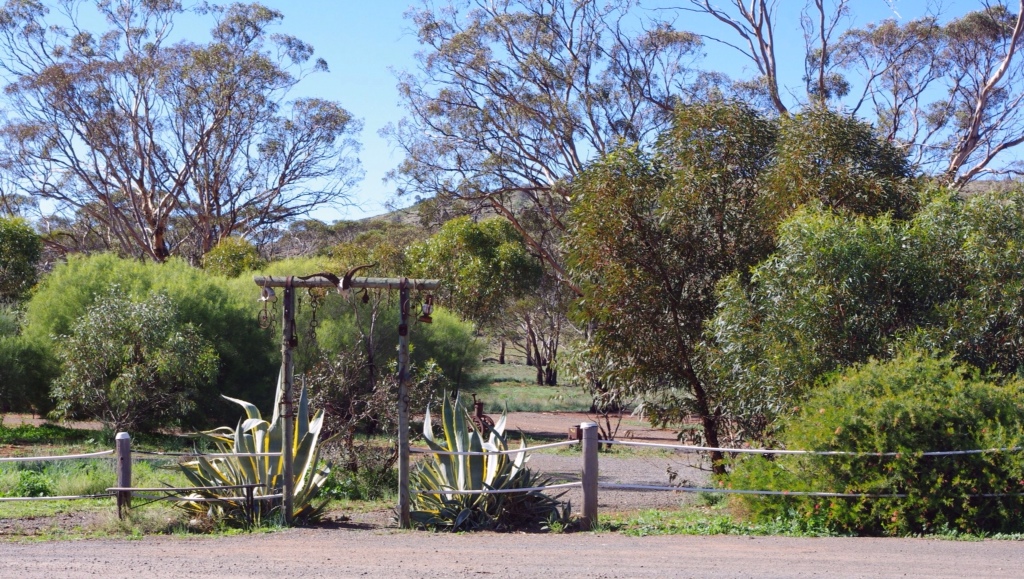
Entrance to Fraser Station.
 

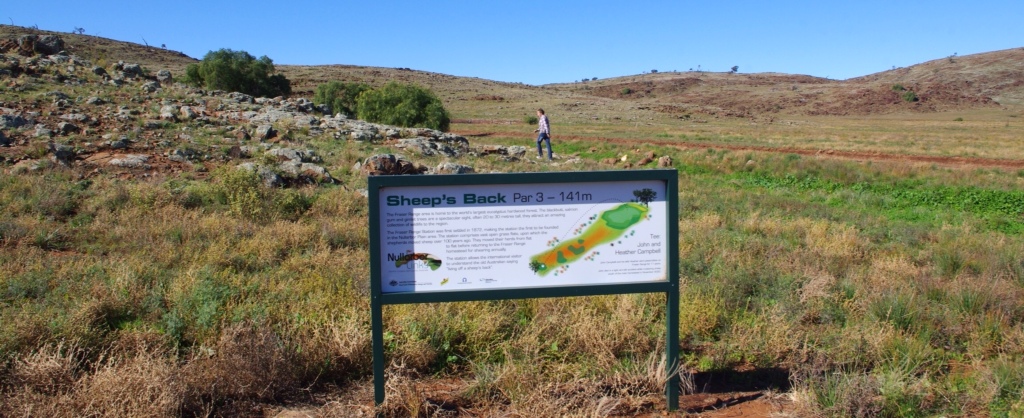
Then, our spirits were lifted more when we arrived at the Fraser Range Sheep Station, a very tranquil location in the middle of the world's largest eucalyptus hardwood forest. First stop was at the historic stone shearers quarters to get the clubs. Then, we went off to the tee. Gorgeous! The Sheep's Back hole is par 3, 141 meters. Although I lost again: Hector' 7 to my 8…I just was too happy to care. It was a true oasis paradise!

 
I am happy here!

Fraser Station was very peaceful.


Norseman


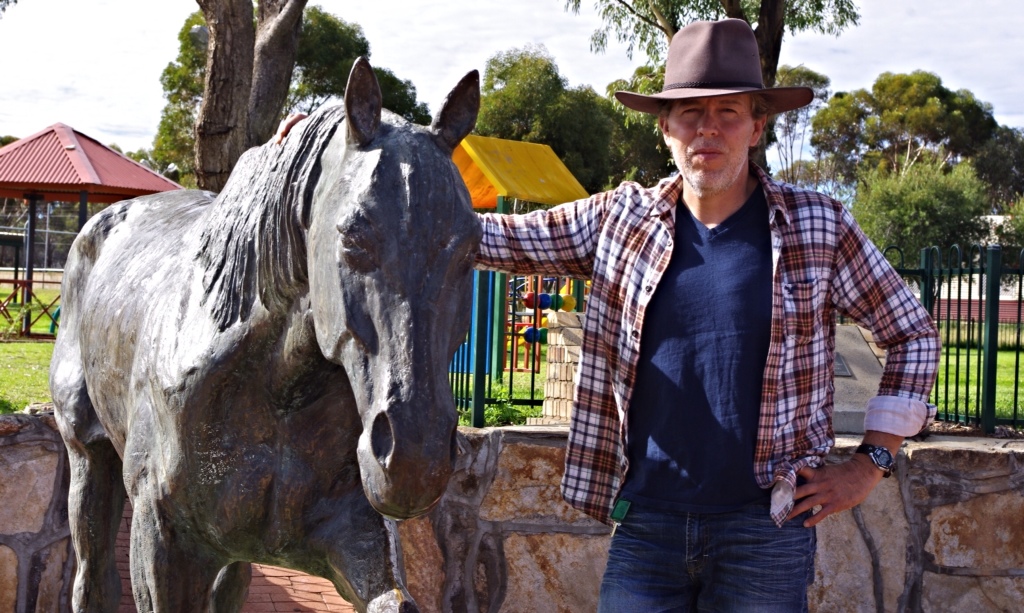
Norseman, where we were suppose to reach last night, is a historical gold mining town. Funny legend: one night a long time ago, Prospector Sinclair's horse, Hardy Norseman, dug up a nugget of gold by pawing at the ground. So, the town got named after the horse.

Hector and Hardy Norseman

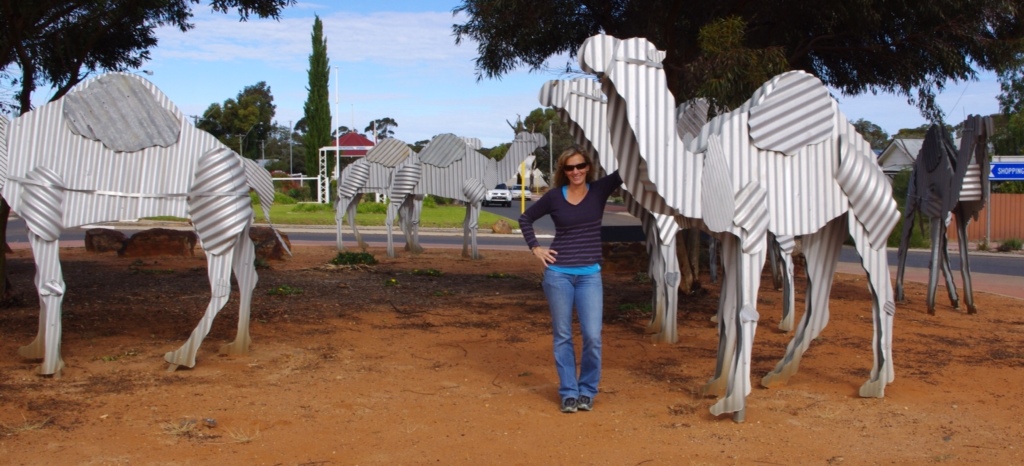
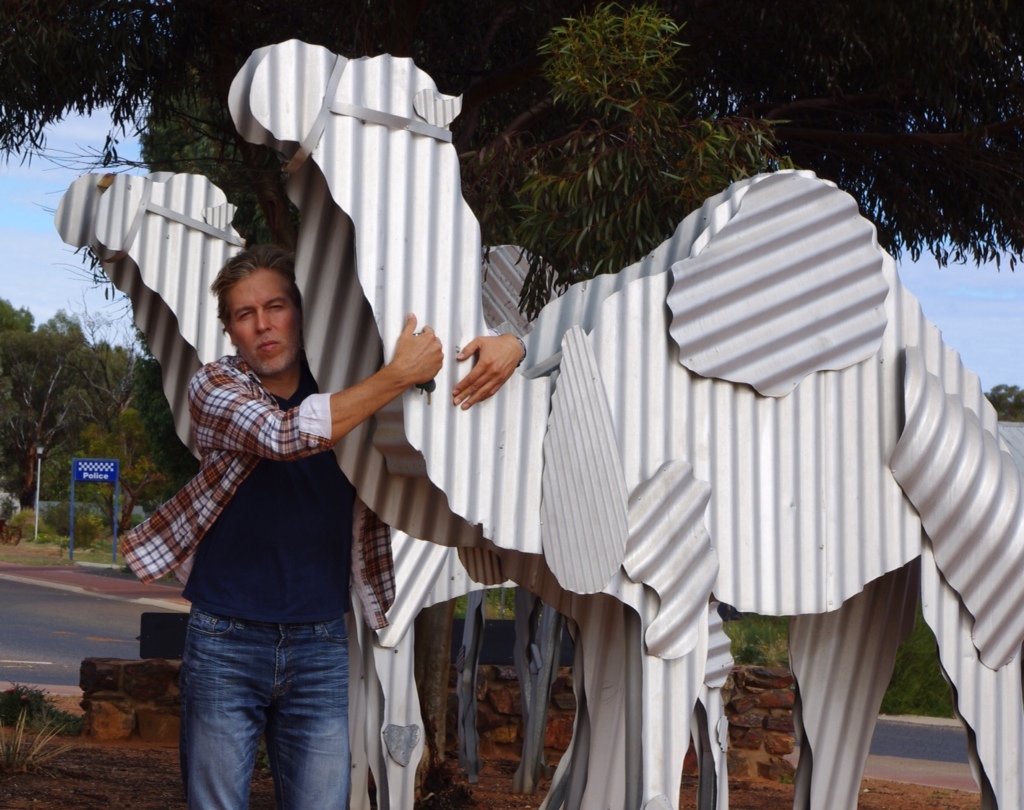
It is now the home to the tin camels and a statute of Hardy.


While we were at the post office and the Caltex station, we heard stories about the mine laying off most of its employees. The town was quiet and those remaining are packing up to move on. If another mine doesn't takeover then Norseman's fate might be a ghost town.

Gold mine at the edge of Norseman.

We located the two golf holes at an abandoned golf course left to dissolve back to dirt and salt brush. It was sad and scary at the same time. It felt as if at any moment a man in a terrifying mask would jump out and attack! But the eeriness did not keep us from playing. The Ngadju hole was par 4, 354 meters and the Golden Horse hole is par 4, 436 meters. Neither of us were close to par; I will just leave it at the fact that Hectie beat me on both holes, no balls were lost, we actually gained a ball, and we were not killed by a madman.

At the golf course….where is everyone?

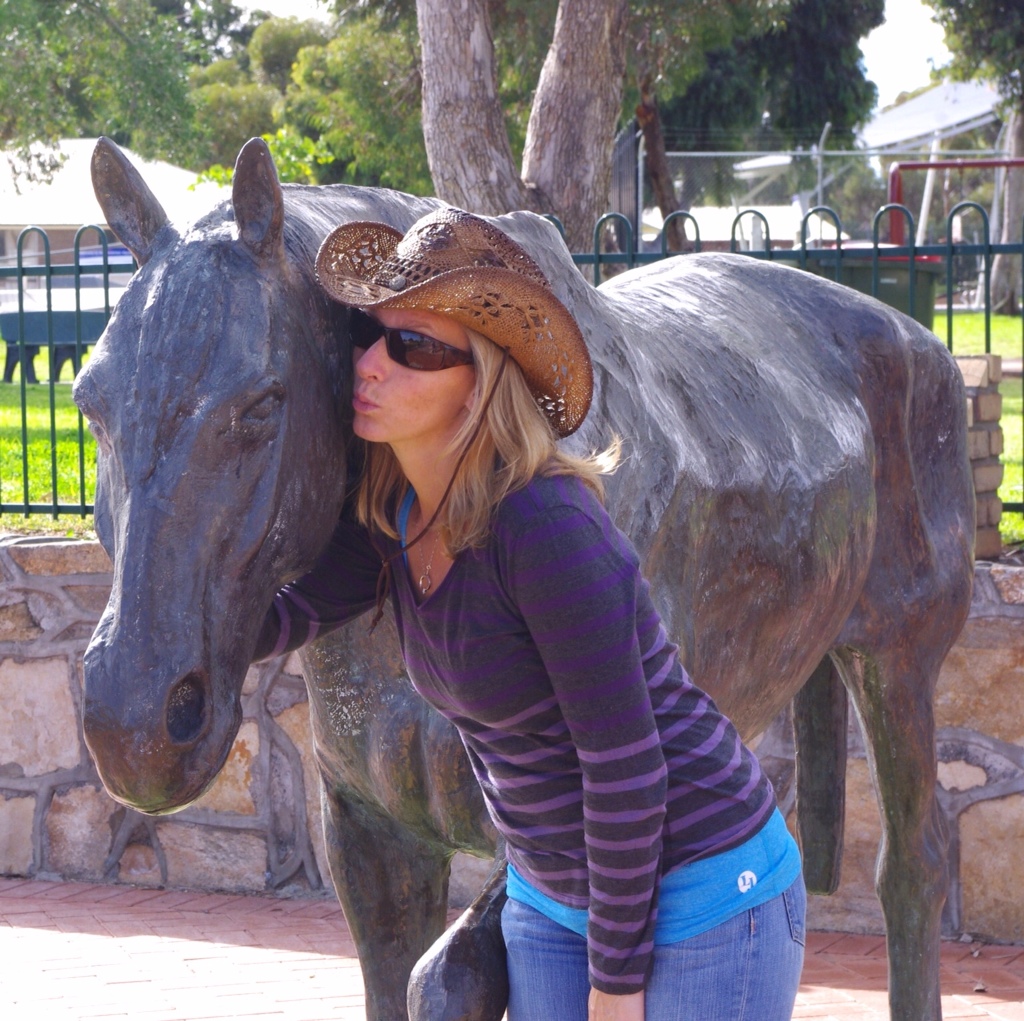
A kiss to Hardy for keeping us safe at the abandoned golf course.


Kalgoorlie

Happy to not have stayed in Norseman the previous night, we drove on to Kalgoorlie. After we checked in to The View on Hannans (www.theviewonhannahs.com), we walked to dinner. On walk to the restaurant we found out our room was located right next door to Australia's oldest working brothel, Questa Casa. I tried to peek in and found out they have daily tours at 3 pm each day. Not really interested…

Dinner at Lemongrass, a Thai place, was good, especially since I was very hungry.

Drove 406 kilometers.

Ran 0 kilometers.


Chasing the sun to Norseman

Sunday, 26 May 2013

Border Village

I believe we have discovered the armpit capital of Australia, Border Village (and I believe it to be worse than the U.S. armpit capital). Everything is surreal here…cops everywhere (checking for drugs, drunk drivers, and people sneaking in fruits and vegetables). With so many cops, I wasn't sure if I felt safe or not!

We woke up this morning to the fragrant smell of cattle trucks filled to the brim with sheep (I think…my distance was kept due to the strong odor). This experience brought me back to memories of the summer I worked in Vale, Oregon. The cattle trucks and stockyards would hinder my daily runs by either keeping me from running or forcing me to run circles at the local track far enough from the smell enabling me to breathe freely.

So needless to say, there was no run today!

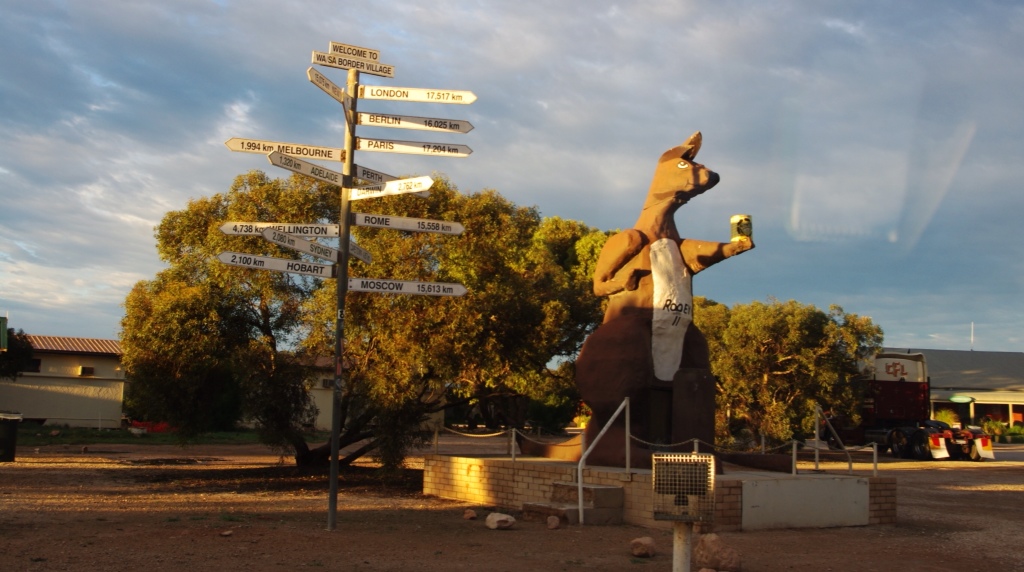
At Border Village, I took a quick snapshot of Rooey, the giant roo.


Eucla

Giant whale in front of the Emu Export lager sign.


After going through the quarantine again for a second vehicle inspection, Hector drove us to Eucla for fuel and a visit to the old telegraph station.

In 1841, Edward John Eyre (by the way we are driving the Eyre Highway) became the first explorer to visit the area. A few decades later, a telegraph line from Albany to Adelaide was created. Land was set aside at Eucla for a manual repeater station. The telegraph line opened in 1877 and Eucla was a conversion point. South Australia and Victoria used American Morse code while Western Australia used the international Morse code.

The town of Eucla was established in 1885 and peaked in the 1920s.

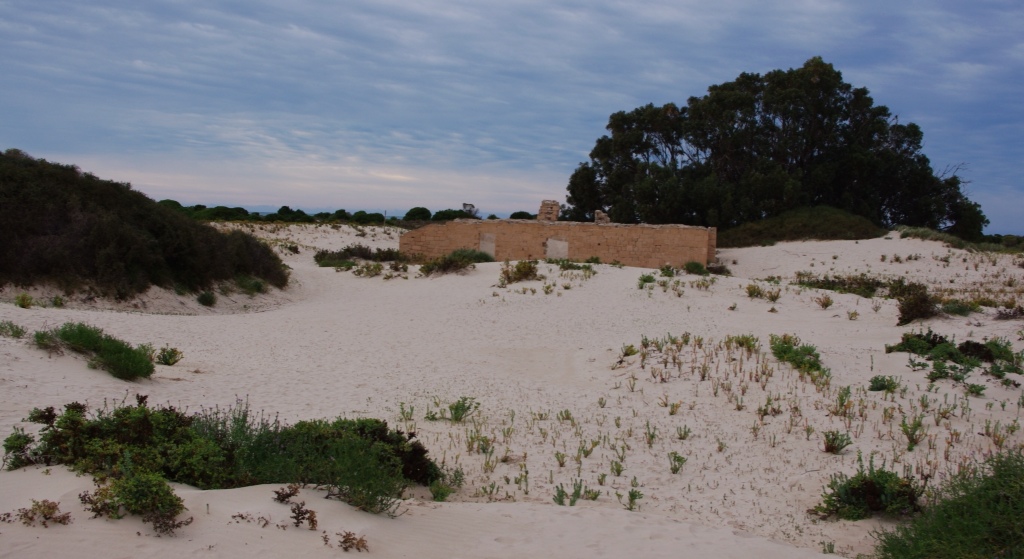
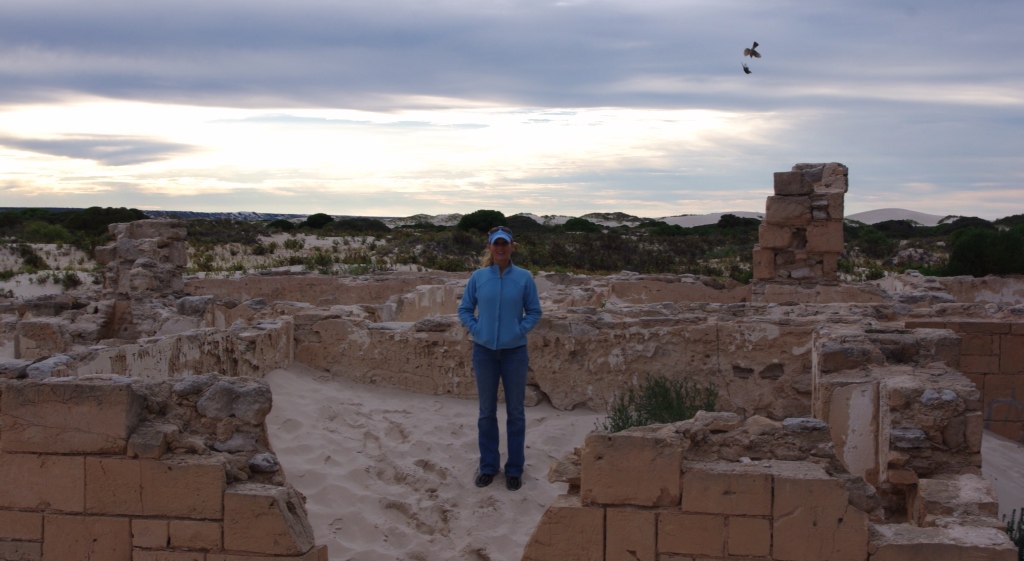
Old Eucla telegraph station buried in sand.

In the 1890s a rabbit plague hit the area and ate the majority of the dune vegetation. The dunes were no longer stable and large sand drifted to the town. The original town had to be abandoned, and a new townsite established in the same area as the giant whale…high up on a hilltop.

Telegraph station ruins.


Mundrabilla

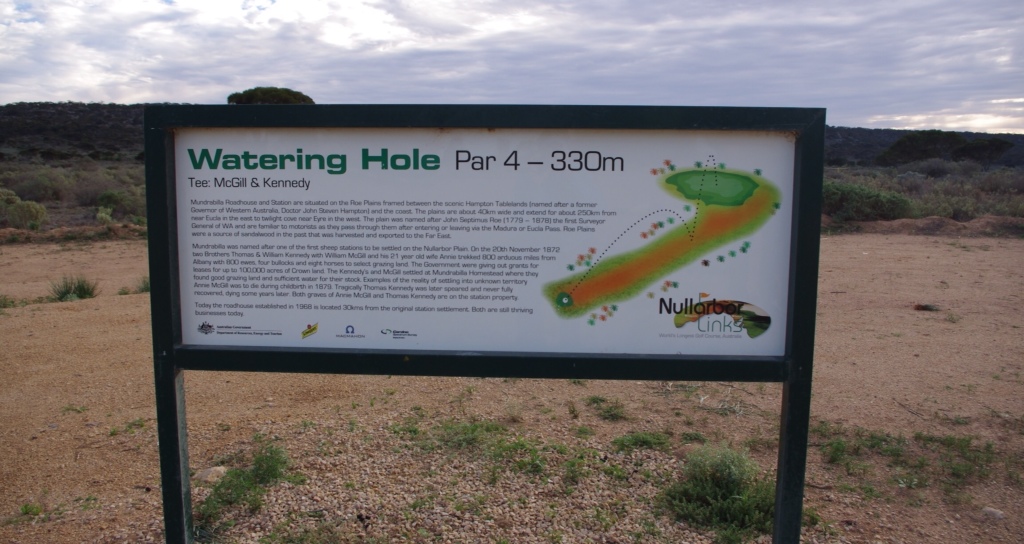
We drove on to Mundrabilla station, the first sheep station on the Nullarbor, which was established by William Stuart McGill (a Scotsman) and Thomas and William Kennedy (two Irishmen) in 1872.


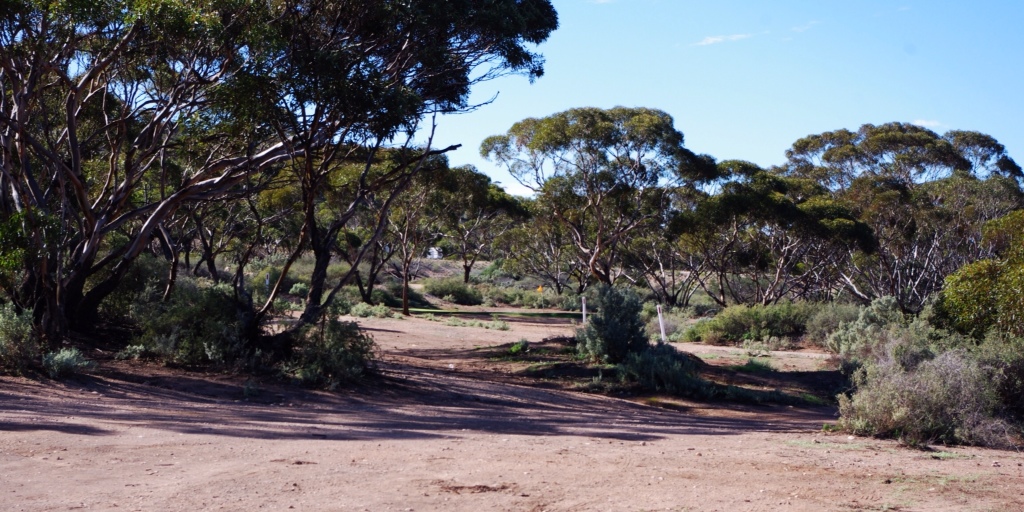
Time for more golf! Stopping at Mogas we picked up our clubs and balls for the Watering Hole hole. It is a par 4, 330 meter fairway. Hectie's first shot was a beauty. Mine was so so..a long roller. As we took a hike to find Hectie's ball, Hectie was sure he'd never see it again, but as we turned the corner we saw the white glow of it laying perfectly on the dirt. Hectie ended with 1 over par…very nice. Me, well a few bad putts put me further behind…5 over par. 😦

Madura

Next stop…Madura to play Brumby's Run. I kept wondering what is a Brumby? I found out Madura was settled in 1876 and used to breed cavalry horses for the British Indian Army for use in the Northwest Frontier region of India, which is now part of Pakistan. The land along the Nullabor Plain is extremely dry, and the Madura area was one of the only places with free flowing water. And learning something new, a Brumby is Aussie slang for wild horse. Why did I not know this?

Now, the surrounding area is part of Madura Station, a sheep station, but was previously used to graze cattle and camels…and of course, horses.

Looking down the fairway at Brumby's Run.

Brumby's Run hole is par 3, 125 meters. No specific highlights to report for this course, other than I found a few extra balls as I looked for my ball. Score: Hector had 4 and I had 5.

The Maldura Pass is a pretty spot and has a nice little cafe, so Hectie and I shared an order of fish and chips for lunch.

Anna waiting for lunch.


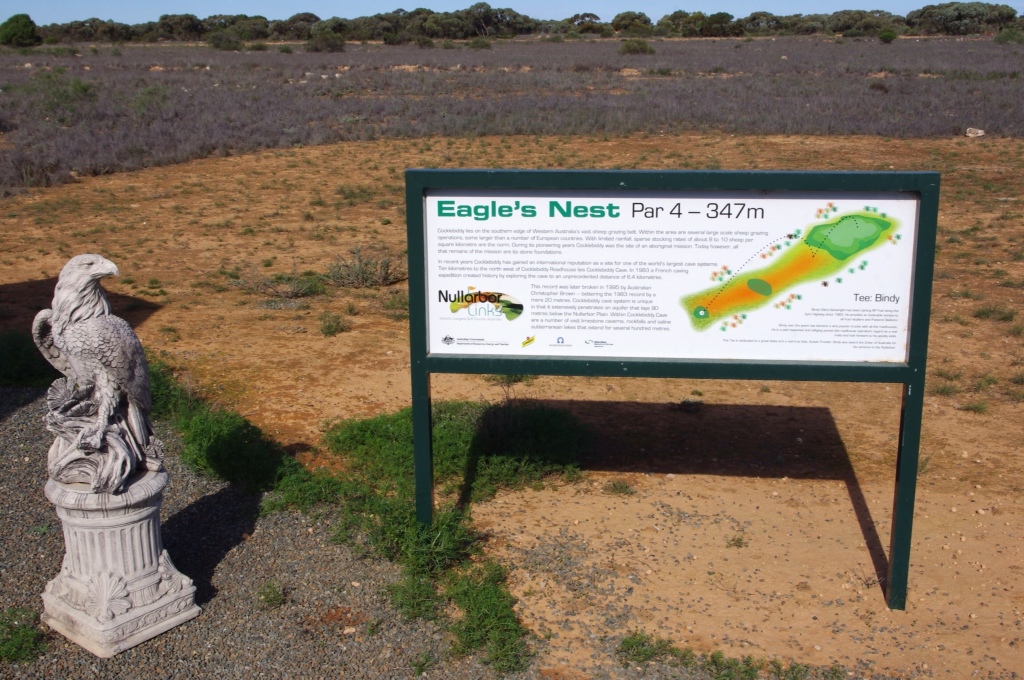
Our next Golf stop was in Cocklebiddy. We have now become obsessed with this dry dirty course, and played the Eagle Nest hole, par 4, 347 meters. It was wide and lacked vegetation, so a few long rollers got us both to the green quickly. Hectie achieved par, and with 2 bad putts I was over par by 2. Hectie wins again!

Eagle's Nest hole.

By the way, the Cocklebiddy area has underground caves, and the Cocklebiddy cave has a passage more than 6 km long, of which around 90% is underwater and only accessible via cave diving. Needless to say, we didn't head in.


Caiguna


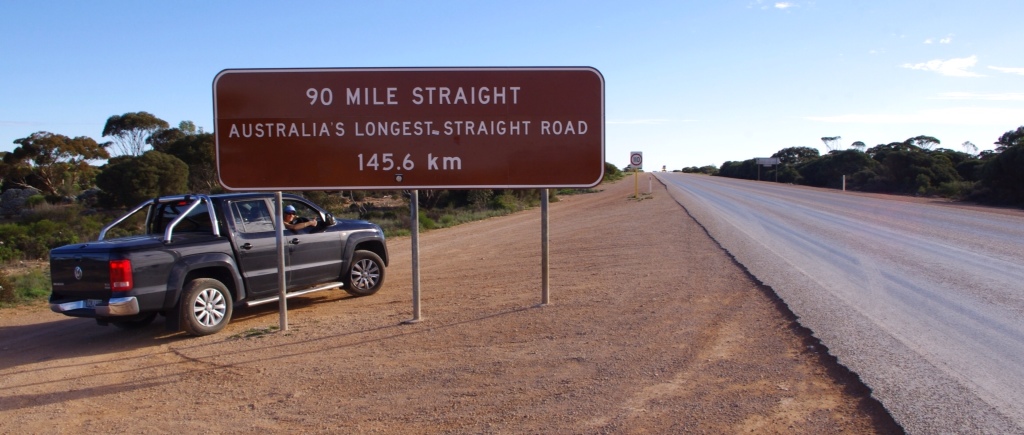
The golf hole in Caiguna is located right before we got on the 90 Mile Straight. It is appropiately named the 90 Mile Straight hole, par 4, 310 meters. This hole was so bad that I have already forgotten it. I had 10 hits and Hectie made it in 6. Tough luck. I kind of wish this fairway was like the road we were about to drive, then things would have been simpler!

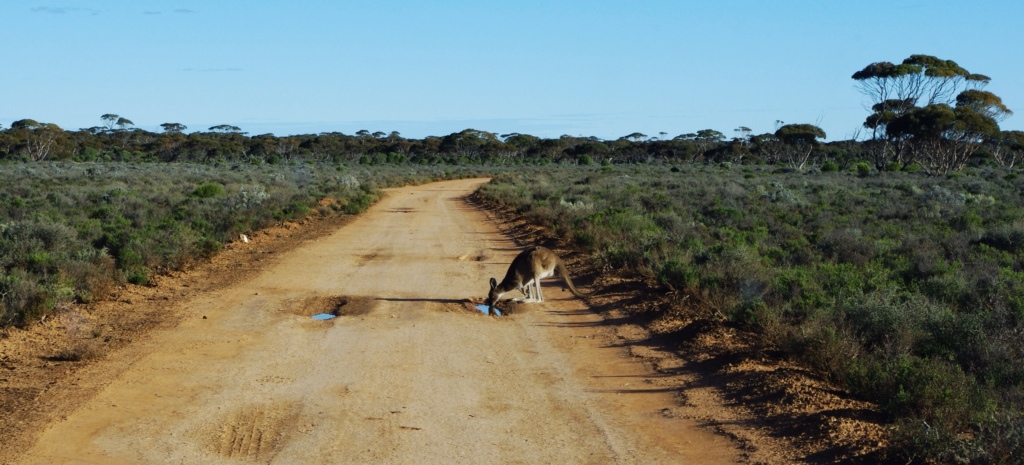
As I drove a few kilometers out of town, we saw a nice attraction sign for the Caiguna Blowhole. Turning off to go see it, we went head to head with a caravan on a narrow dirt road. Deciding I was the chicken I pulled off the road. The other driver stopped and told us the blowhole was no where to be found. Not believing him, we contined the search and…came up empty! Wtf…we drove for over an hour disturbing herds of kangaroo…to FIND NOTHING. We left after searching all possible routes and continued west.

Kangaroo near the invisible blowhole.

Here is a photo Hectie took as I passed an oversized truck on the straight.


Balladonia

Although we constantly chased the sun through two time changes, we weren't able to make it to Norseman before we lost sunlight. But, we were very happy to spend the evening in little spot known as Balladonia. It was so peaceful. The motel was clean and dinner of chicken, potato, and broccoli, was delicious. And, it meant we could play the Skylab golf hole in the morning.

Drove 549 kilometers.

Ran 0.